Systematic macro hedge funds represent a unique segment of the hedge fund industry, characterized by their reliance on quantitative models and algorithms to make investment decisions. Unlike traditional hedge funds that may depend heavily on fundamental analysis or discretionary trading, systematic macro funds utilize a data-driven approach to identify and exploit market inefficiencies. These funds typically focus on macroeconomic trends, such as interest rates, inflation, and geopolitical events, to inform their trading strategies. By employing sophisticated statistical techniques and machine learning algorithms, systematic macro hedge funds can analyze vast amounts of data to predict market movements and adjust their portfolios accordingly.
The systematic nature of these funds allows for a level of consistency and discipline in trading that can be difficult to achieve through human judgment alone. This is particularly important in the fast-paced world of global finance, where market conditions can change rapidly. By automating the decision-making process, systematic macro hedge funds can react to new information almost instantaneously, capitalizing on fleeting opportunities that may arise in the market. This approach not only enhances efficiency but also reduces the emotional biases that can often cloud human judgment, leading to more rational investment decisions.
Systematic macro hedge funds have gained significant attention in recent years due to their ability to navigate complex market environments using quantitative strategies. A related article that delves into the evolving landscape of investment options is titled “The Systematic Integration of Digital Assets into 401k Frameworks.” This article explores how digital assets are being incorporated into traditional retirement plans, highlighting the potential benefits and challenges of such integration. For more insights, you can read the article here: The Systematic Integration of Digital Assets into 401k Frameworks.
The Role of Global Markets in Systematic Macro Hedge Funds
Global markets play a pivotal role in the operations of systematic macro hedge funds, as these funds are inherently designed to capitalize on macroeconomic trends that transcend national borders. The interconnectedness of global financial markets means that events in one region can have far-reaching implications for markets elsewhere. For instance, a change in monetary policy by the Federal Reserve can influence currency values, commodity prices, and equity markets around the world. Systematic macro hedge funds leverage this interconnectedness by employing strategies that take advantage of relative value discrepancies across different asset classes and geographies.
Moreover, the increasing globalization of trade and finance has led to a more complex landscape for systematic macro hedge funds. These funds must navigate a myriad of factors, including currency fluctuations, trade policies, and geopolitical tensions, all of which can impact their investment strategies. For example, during periods of economic uncertainty, such as the COVID-19 pandemic, systematic macro hedge funds may shift their focus to safe-haven assets like gold or U.S. Treasuries while simultaneously shorting riskier assets. This ability to adapt to changing global conditions is a hallmark of successful systematic macro investing.
Strategies Employed by Systematic Macro Hedge Funds
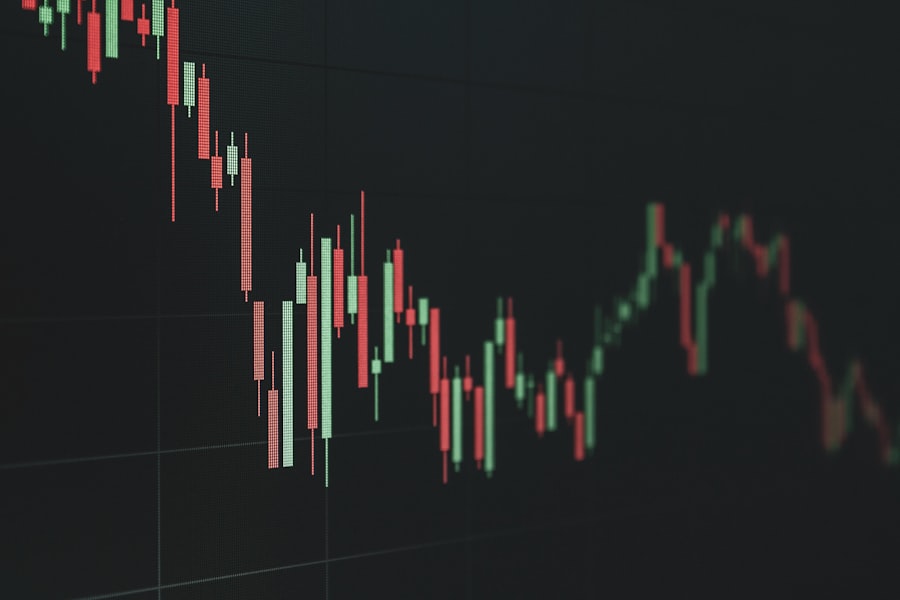
Systematic macro hedge funds employ a diverse array of strategies to achieve their investment objectives. One common approach is trend following, where funds identify and capitalize on established market trends across various asset classes. By using historical price data and technical indicators, these funds can determine the direction of a trend and position themselves accordingly. For instance, if a systematic macro fund identifies a bullish trend in oil prices due to rising demand forecasts, it may take long positions in oil futures or related equities.
Another prevalent strategy is mean reversion, which is based on the premise that asset prices will eventually revert to their historical averages. Systematic macro hedge funds utilizing this strategy may look for overbought or oversold conditions in various markets and take positions that align with the expectation of price correction. For example, if a currency pair has deviated significantly from its historical mean due to temporary market sentiment, a systematic macro fund might short the overvalued currency while going long on the undervalued counterpart.
Risk Management in Systematic Macro Hedge Funds
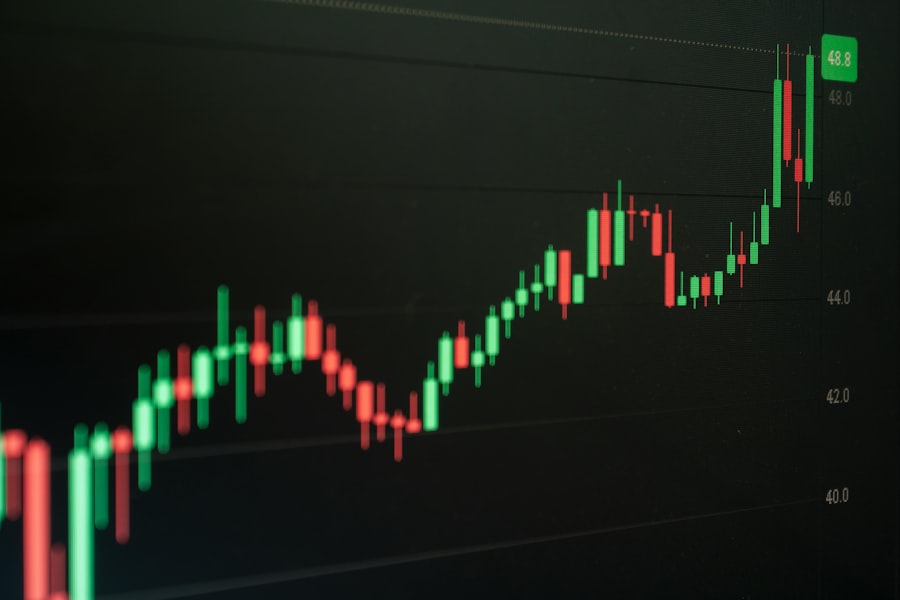
Risk management is a cornerstone of systematic macro hedge fund operations, given the inherent volatility and unpredictability of global markets. These funds employ a variety of risk management techniques to protect their capital and ensure sustainable returns. One fundamental approach is diversification across asset classes and geographic regions. By spreading investments across different markets, systematic macro hedge funds can mitigate the impact of adverse movements in any single asset or market segment.
Additionally, systematic macro hedge funds often utilize sophisticated risk models to assess potential losses under various market scenarios. Value-at-risk (VaR) models are commonly employed to estimate the maximum potential loss over a specified time frame at a given confidence level. This quantitative assessment allows fund managers to make informed decisions about position sizing and leverage, ensuring that they remain within acceptable risk parameters. Furthermore, many systematic macro hedge funds implement stop-loss orders to automatically exit positions that move against them beyond predetermined thresholds, thereby limiting potential losses.
Systematic macro hedge funds have gained significant attention in recent years due to their ability to navigate complex market environments using quantitative strategies. These funds rely on data-driven models to identify trends and make informed investment decisions across various asset classes. For those interested in understanding the intricacies of this investment approach, a related article provides valuable insights into the operational mechanics and performance metrics of systematic macro hedge funds. You can explore more about this topic by visiting this informative resource.
Navigating Volatility in Global Markets
| Metric | Description | Typical Range | Notes |
|---|---|---|---|
| Annualized Return | Average yearly return generated by the fund | 5% – 15% | Varies based on strategy and market conditions |
| Volatility (Annualized) | Standard deviation of returns, indicating risk | 5% – 12% | Lower than typical equity funds due to diversification |
| Sharpe Ratio | Risk-adjusted return measure | 0.5 – 1.5 | Higher values indicate better risk-adjusted performance |
| Maximum Drawdown | Largest peak-to-trough decline | 10% – 25% | Reflects downside risk during adverse market periods |
| Average Holding Period | Typical duration positions are held | Days to Weeks | Depends on the systematic strategy employed |
| Assets Under Management (AUM) | Total capital managed by the fund | 100 million – 10 billion | Varies widely by fund size and investor base |
| Leverage | Use of borrowed capital to amplify returns | 1x – 3x | Systematic macro funds often use moderate leverage |
| Strategy Types | Common systematic approaches | N/A | Trend following, mean reversion, carry, volatility targeting |
Volatility is an inherent characteristic of global markets, influenced by factors such as economic data releases, geopolitical events, and changes in investor sentiment. Systematic macro hedge funds are uniquely positioned to navigate this volatility due to their reliance on quantitative models that can quickly adapt to changing market conditions. During periods of heightened volatility, these funds may increase their trading frequency or adjust their strategies to capitalize on short-term price movements.
For instance, during times of market turmoil—such as the financial crisis of 2008—systematic macro hedge funds may employ strategies designed to profit from increased volatility itself. This could involve trading options or other derivatives that benefit from price swings. Additionally, these funds often maintain a keen focus on liquidity management during volatile periods, ensuring they can enter and exit positions without significant slippage. By effectively managing volatility, systematic macro hedge funds can enhance their performance while minimizing risk exposure.
Systematic macro hedge funds have gained significant attention in recent years due to their ability to navigate complex market environments through quantitative strategies. These funds leverage advanced algorithms and data analysis to identify trends and make informed investment decisions. For a deeper understanding of the team behind such strategies, you can explore the expertise and insights offered by Savanti Investments in their article about their team. This resource provides valuable information on how experienced professionals contribute to the success of systematic macro hedge funds. You can read more about it here.
The Impact of Geopolitical Events on Systematic Macro Hedge Funds
Explore diverse opportunities with Savanti’s Tokenized Investment Funds to enhance your portfolio.
Geopolitical events can have profound implications for global markets and are thus critical considerations for systematic macro hedge funds. Events such as elections, trade negotiations, military conflicts, and diplomatic relations can create significant market dislocations that these funds seek to exploit. For example, the U.S.-China trade war led to increased volatility in currency markets and commodity prices, prompting systematic macro hedge funds to adjust their positions accordingly.
The ability to analyze geopolitical risks is essential for systematic macro hedge funds as they develop their trading strategies. Many funds utilize sentiment analysis tools that aggregate news articles and social media posts to gauge public sentiment regarding specific geopolitical events. This data can provide valuable insights into potential market reactions and help fund managers position themselves ahead of major developments. For instance, if tensions escalate between two countries over trade policies, a systematic macro fund might anticipate currency fluctuations and adjust its forex positions accordingly.
The Importance of Data Analysis in Systematic Macro Hedge Funds
Data analysis is at the heart of systematic macro hedge fund operations. These funds rely on vast amounts of historical and real-time data to inform their trading decisions and refine their models. The ability to process and analyze this data efficiently is crucial for identifying patterns and trends that may not be immediately apparent through traditional analysis methods. Systematic macro hedge funds often employ advanced statistical techniques and machine learning algorithms to extract actionable insights from complex datasets.
For example, a systematic macro fund might analyze economic indicators such as GDP growth rates, unemployment figures, and inflation data across multiple countries to identify correlations that could inform its investment strategy. By leveraging big data analytics tools, these funds can uncover relationships between seemingly unrelated variables and develop predictive models that enhance their decision-making processes. This data-driven approach not only improves accuracy but also allows for continuous refinement of trading strategies based on evolving market conditions.
Leveraging Technology in Systematic Macro Hedge Funds
Technology plays an integral role in the operations of systematic macro hedge funds, enabling them to execute trades with speed and precision while managing vast amounts of data. Algorithmic trading platforms allow these funds to automate their trading strategies based on predefined criteria, ensuring that they can capitalize on opportunities as they arise without delay. This technological edge is particularly important in today’s fast-moving markets where milliseconds can make a significant difference in execution prices.
Moreover, advancements in artificial intelligence (AI) and machine learning have revolutionized the way systematic macro hedge funds analyze data and develop trading strategies. These technologies enable fund managers to create adaptive models that learn from historical data and improve over time. For instance, AI-driven sentiment analysis tools can process news articles and social media feeds in real-time to gauge market sentiment regarding specific assets or events. By integrating these technological innovations into their operations, systematic macro hedge funds can enhance their competitive advantage and improve overall performance.
Regulatory Considerations for Systematic Macro Hedge Funds
Regulatory considerations are an essential aspect of operating systematic macro hedge funds, as these entities must navigate a complex landscape of compliance requirements across different jurisdictions. Regulatory bodies such as the Securities and Exchange Commission (SEC) in the United States impose strict guidelines regarding transparency, reporting standards, and investor protection measures that hedge funds must adhere to. Failure to comply with these regulations can result in significant penalties or reputational damage.
In addition to traditional regulatory frameworks, systematic macro hedge funds must also consider emerging regulations related to data privacy and cybersecurity. As these funds increasingly rely on technology and data analysis for their operations, they must ensure that they are compliant with laws such as the General Data Protection Regulation (GDPR) in Europe or similar legislation elsewhere. This includes implementing robust cybersecurity measures to protect sensitive information from breaches or unauthorized access.
Evaluating Performance Metrics for Systematic Macro Hedge Funds
Evaluating performance metrics is crucial for assessing the effectiveness of systematic macro hedge funds and understanding their risk-adjusted returns. Traditional metrics such as absolute returns are often supplemented with more nuanced measures like Sharpe ratios or Sortino ratios that account for volatility and downside risk. These metrics provide investors with insights into how well a fund has performed relative to its risk exposure.
Additionally, drawdown analysis is an important tool for evaluating performance over time. It measures the peak-to-trough decline during a specific period and helps investors understand the potential risks associated with investing in a particular fund. Systematic macro hedge funds may also report performance attribution analyses that break down returns by strategy or asset class, allowing investors to see which components contributed most significantly to overall performance.
The Future of Systematic Macro Hedge Funds in Global Markets
The future of systematic macro hedge funds appears promising as they continue to adapt to an ever-evolving global landscape characterized by rapid technological advancements and shifting economic dynamics. As more investors seek alternative sources of return amid low-interest-rate environments and increased market volatility, systematic macro strategies are likely to gain traction due to their ability to generate alpha through diversified approaches.
Furthermore, the integration of artificial intelligence and machine learning into investment processes will likely enhance the predictive capabilities of these funds, allowing them to respond more effectively to changing market conditions. As data becomes increasingly abundant and sophisticated analytical tools become more accessible, systematic macro hedge funds will be well-positioned to leverage these resources for improved decision-making.
In conclusion, while challenges such as regulatory scrutiny and geopolitical uncertainties persist, the adaptability and data-driven nature of systematic macro hedge funds suggest they will continue to play a significant role in global financial markets moving forward. Their ability to navigate complexity through technology and quantitative analysis will be key drivers of success in an increasingly interconnected world.
Savanti Systematic Global Macro Fund
FAQs
What are systematic macro hedge funds?
Systematic macro hedge funds are investment funds that use computer-driven models and algorithms to make trading decisions based on macroeconomic trends and data. They typically analyze global economic indicators, interest rates, currencies, and commodities to identify trading opportunities.
How do systematic macro hedge funds differ from discretionary macro hedge funds?
Systematic macro hedge funds rely on quantitative models and automated systems to execute trades, minimizing human discretion. In contrast, discretionary macro hedge funds depend on the judgment and experience of portfolio managers to make investment decisions based on macroeconomic analysis.
What types of strategies do systematic macro hedge funds employ?
These funds often use trend-following, mean reversion, and statistical arbitrage strategies. They analyze historical data and real-time economic indicators to predict price movements in various asset classes such as currencies, bonds, equities, and commodities.
What are the risks associated with investing in systematic macro hedge funds?
Risks include model risk, where the algorithms may fail to predict market changes accurately, and market risk due to volatility in global economic conditions. Additionally, these funds may face liquidity risk and operational risk related to technology and data quality.
Who typically invests in systematic macro hedge funds?
Investors in systematic macro hedge funds often include institutional investors such as pension funds, endowments, and family offices, as well as high-net-worth individuals seeking diversified exposure to global macroeconomic trends through quantitative strategies.