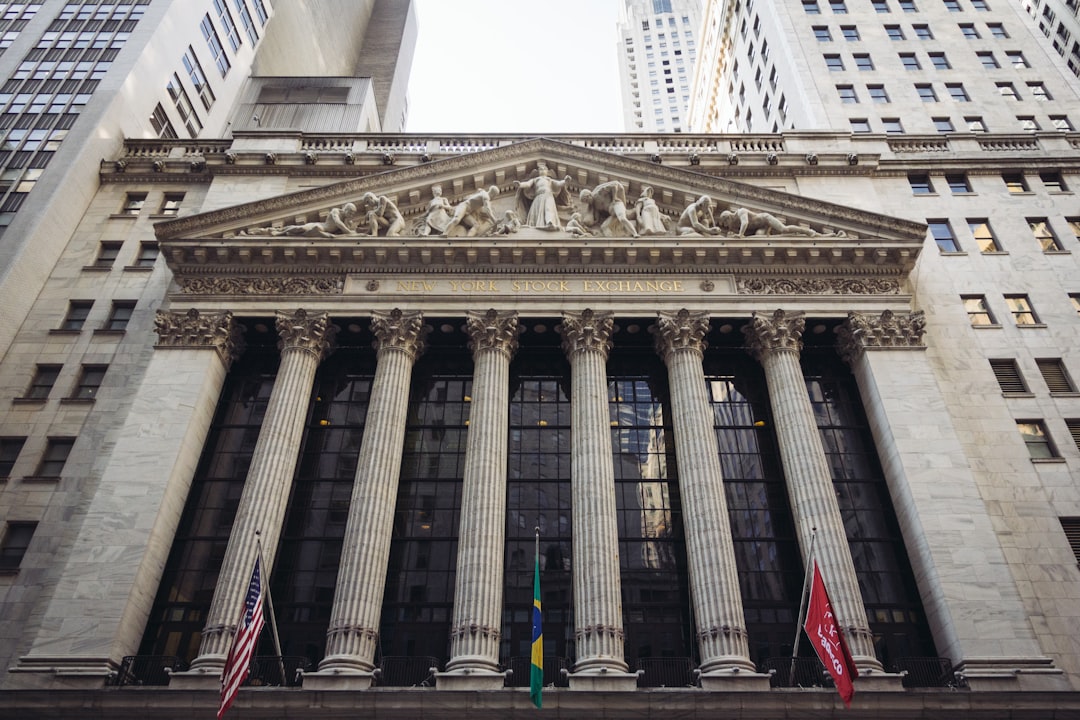
Systematic trading represents a structured approach to financial markets, relying on predefined rules and algorithms to make trading decisions. This methodology contrasts sharply with discretionary trading, where decisions are often influenced by human emotions and subjective analysis. Systematic trading employs quantitative models that analyze historical data to identify patterns and trends, allowing traders to execute strategies with precision and consistency. The rise of systematic trading has been fueled by advancements in technology, data availability, and the increasing complexity of financial markets.
The systematic trading landscape is characterized by its reliance on mathematical models and statistical techniques. Traders utilize these models to develop strategies that can be backtested against historical data, providing insights into their potential effectiveness. This approach not only enhances the objectivity of trading decisions but also allows for the rapid execution of trades, which is crucial in today’s fast-paced markets. As a result, systematic trading has gained traction among institutional investors, hedge funds, and even retail traders seeking to leverage data-driven insights for better investment outcomes.
Systematic trading hedge funds have been increasingly leveraging advanced technologies to enhance their investment strategies and operational efficiencies. A related article that explores the impact of blockchain technologies on investment management and financial infrastructure can provide valuable insights into how these innovations are shaping the future of finance. For more information, you can read the article here: Blockchain Technologies Transforming Investment Management and Financial Infrastructure.
The Evolution of Hedge Funds
Hedge funds have undergone significant transformation since their inception in the mid-20th century. Initially, they were designed as vehicles for wealthy individuals seeking to diversify their portfolios and hedge against market downturns. The first hedge fund, established by Alfred Winslow Jones in 1949, employed a long/short equity strategy that aimed to mitigate risk while capitalizing on market inefficiencies. Over the decades, hedge funds have evolved into complex investment vehicles that employ a myriad of strategies, including arbitrage, global macroeconomic bets, and event-driven approaches.
The evolution of hedge funds has been marked by increasing sophistication in investment strategies and the incorporation of advanced financial instruments. The 1990s saw the rise of quantitative hedge funds that utilized mathematical models to drive trading decisions. This shift was propelled by the advent of powerful computing technology and the proliferation of financial data. As hedge funds began to embrace systematic trading methodologies, they attracted significant capital inflows, leading to a competitive landscape where performance and risk management became paramount.
The Role of Systematic Trading in Hedge Funds
Systematic trading has become a cornerstone of many hedge fund strategies, providing a framework for consistent decision-making and execution. By employing quantitative models, hedge funds can analyze vast amounts of data to identify trading opportunities that may not be apparent through traditional analysis. This approach allows for the development of strategies that can adapt to changing market conditions, enhancing the fund’s ability to generate alpha.
Moreover, systematic trading enables hedge funds to diversify their portfolios across various asset classes and geographies. By utilizing algorithms that can process real-time data, these funds can execute trades across multiple markets simultaneously, capturing opportunities as they arise. This capability is particularly valuable in volatile markets where rapid decision-making is essential. As hedge funds continue to integrate systematic trading into their operations, they are better positioned to navigate the complexities of modern financial markets.
The Advantages of Systematic Trading
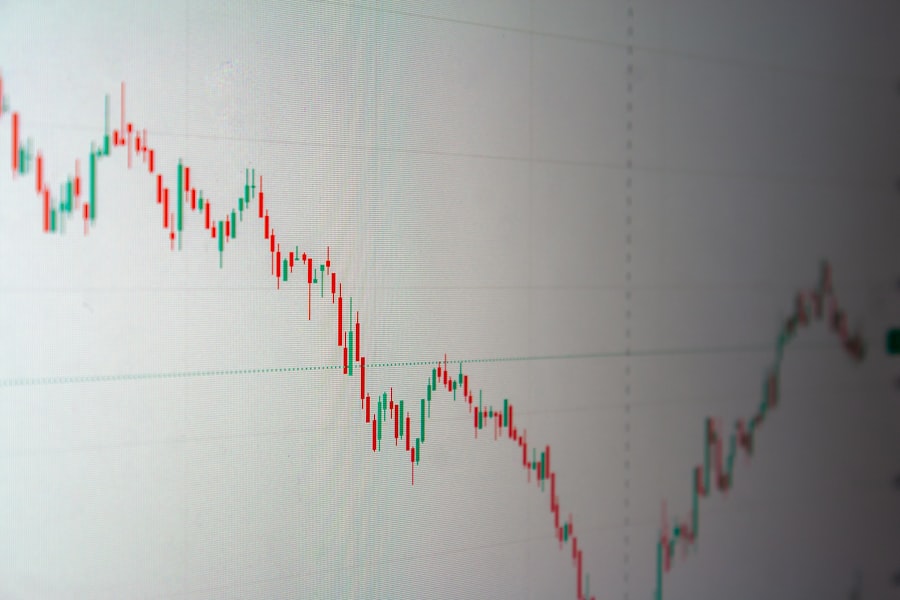
One of the primary advantages of systematic trading is its ability to eliminate emotional biases from the decision-making process. Human traders are often influenced by fear, greed, and other psychological factors that can lead to suboptimal trading decisions. In contrast, systematic trading relies on objective criteria and predefined rules, ensuring that trades are executed based on data rather than emotions. This objectivity can lead to more consistent performance over time.
Additionally, systematic trading allows for rigorous backtesting of strategies against historical data. This process enables traders to assess the viability of their models before deploying them in live markets. By analyzing past performance, traders can refine their strategies and make informed adjustments based on empirical evidence. Furthermore, systematic trading facilitates scalability; once a successful strategy is developed, it can be applied across larger capital bases without significant changes to its underlying mechanics.
Systematic trading hedge funds have gained significant attention in recent years due to their ability to navigate complex market conditions with precision. These funds utilize algorithmic strategies to make data-driven investment decisions, which can be particularly advantageous during periods of market volatility. For further insights on how to manage investments during turbulent times, you can explore this informative article on recent stock market volatility and strategies by following this link: recent stock market volatility insights and strategies for turbulent times. Understanding these strategies can enhance the effectiveness of systematic trading approaches and help investors adapt to changing market dynamics.
The Impact of Technology on Systematic Trading
| Metric | Description | Typical Range | Notes |
|---|---|---|---|
| Annualized Return | Average yearly return generated by the fund | 5% – 20% | Varies by strategy and market conditions |
| Sharpe Ratio | Risk-adjusted return measure | 1.0 – 2.5 | Higher values indicate better risk-adjusted performance |
| Maximum Drawdown | Largest peak-to-trough decline in portfolio value | 5% – 25% | Lower drawdowns preferred for risk management |
| Annual Volatility | Standard deviation of returns over a year | 8% – 15% | Reflects the variability of returns |
| Average Holding Period | Typical duration positions are held | Days to weeks | Depends on strategy (e.g., trend following vs. mean reversion) |
| Assets Under Management (AUM) | Total capital managed by the fund | 100 million – 10 billion | Varies widely by fund size and investor base |
| Strategy Type | Primary systematic approach used | Trend Following, Mean Reversion, Statistical Arbitrage | Many funds combine multiple strategies |
| Leverage | Use of borrowed capital to amplify returns | 1x – 3x | Higher leverage increases risk and potential returns |
| Turnover Rate | Frequency of trading activity | 50% – 300% annually | Higher turnover often seen in high-frequency strategies |
The impact of technology on systematic trading cannot be overstated. The proliferation of high-speed internet, advanced computing power, and sophisticated software has revolutionized the way traders operate. Algorithms can now process vast datasets in real-time, allowing for rapid execution of trades based on market signals. This technological advancement has led to the rise of high-frequency trading (HFT), where firms leverage speed and efficiency to capitalize on minute price discrepancies.
Moreover, machine learning and artificial intelligence (AI) have begun to play a pivotal role in enhancing systematic trading strategies. These technologies enable traders to develop models that can learn from new data and adapt over time. For instance, AI algorithms can identify complex patterns in market behavior that traditional models may overlook. As technology continues to evolve, it is likely that systematic trading will become even more sophisticated, incorporating predictive analytics and real-time decision-making capabilities.
Systematic trading hedge funds have gained significant attention in recent years due to their reliance on quantitative models and algorithms to make investment decisions. These funds utilize complex data analysis to identify market trends and execute trades with precision. For a deeper understanding of the team behind such innovative strategies, you can explore this insightful article about the professionals at Savanti Investments. Their expertise in systematic trading can provide valuable insights into how these hedge funds operate and thrive in today’s dynamic financial landscape. To learn more, visit this link.
Risk Management in Systematic Trading
Explore diverse opportunities with Savanti’s Tokenized Investment Funds to enhance your portfolio.
Effective risk management is a critical component of systematic trading strategies. Given the inherent volatility of financial markets, hedge funds must implement robust risk management frameworks to protect capital and ensure long-term sustainability. Systematic trading allows for the quantification of risk through statistical measures such as Value at Risk (VaR) and drawdown analysis. By employing these metrics, traders can assess potential losses under various market conditions and adjust their positions accordingly.
Additionally, systematic trading facilitates diversification across asset classes and strategies, which can mitigate risk exposure. By spreading investments across different markets and instruments, hedge funds can reduce the impact of adverse movements in any single asset. Furthermore, automated risk management systems can trigger alerts or execute trades based on predefined risk thresholds, ensuring that positions are managed proactively rather than reactively.
The Importance of Data Analysis in Systematic Trading
Data analysis is at the heart of systematic trading methodologies. The ability to collect, process, and analyze large volumes of data is essential for developing effective trading strategies. Hedge funds utilize various data sources, including market prices, economic indicators, and alternative datasets such as social media sentiment or satellite imagery. This diverse array of information allows traders to gain insights into market dynamics and identify potential opportunities.
Moreover, advanced statistical techniques are employed to analyze historical data and uncover patterns that may inform future trades. Techniques such as regression analysis, time series analysis, and machine learning algorithms enable traders to build predictive models that enhance decision-making processes. As data continues to proliferate in the financial landscape, the ability to harness this information effectively will be a key differentiator for hedge funds employing systematic trading strategies.
The Role of Algorithms in Systematic Trading
Algorithms serve as the backbone of systematic trading strategies, automating the decision-making process based on predefined rules and criteria. These algorithms can range from simple rule-based systems to complex machine learning models capable of adapting to changing market conditions. By leveraging algorithms, hedge funds can execute trades with speed and precision that would be impossible for human traders.
The use of algorithms also allows for the implementation of sophisticated strategies such as statistical arbitrage or trend following. For example, a statistical arbitrage algorithm might identify mispricings between correlated assets and execute trades to exploit these discrepancies before they converge. Additionally, trend-following algorithms can analyze price movements over time to identify bullish or bearish trends, enabling traders to position themselves accordingly.
Case Studies of Successful Hedge Funds Utilizing Systematic Trading
Several hedge funds have successfully integrated systematic trading into their investment strategies, achieving remarkable results in the process. One notable example is Renaissance Technologies, a quantitative hedge fund founded by Jim Simons in 1982. Renaissance’s Medallion Fund is renowned for its exceptional performance, largely attributed to its sophisticated mathematical models and rigorous data analysis techniques. The fund employs a team of mathematicians and scientists who develop algorithms capable of identifying profitable trading opportunities across various asset classes.
Another prominent example is Two Sigma Investments, which utilizes advanced technology and data science to drive its investment decisions. Two Sigma employs a diverse range of systematic strategies that leverage machine learning algorithms to analyze vast datasets for insights into market behavior. The firm’s commitment to innovation has positioned it as a leader in the quantitative investing space, consistently delivering strong returns for its investors.
Challenges and Pitfalls of Systematic Trading
Despite its advantages, systematic trading is not without challenges and pitfalls. One significant concern is model overfitting, where a strategy performs exceptionally well on historical data but fails to replicate that success in live markets due to its complexity or lack of robustness. Overfitting occurs when models are excessively tailored to past data patterns without accounting for future market dynamics.
Additionally, reliance on technology introduces operational risks such as system failures or algorithmic errors that can lead to significant losses if not managed properly. Market conditions can also change rapidly; what worked well in one environment may not be effective in another due to shifts in liquidity or volatility. Therefore, continuous monitoring and adaptation are essential components of successful systematic trading strategies.
The Future of Systematic Trading in Hedge Fund Success
The future of systematic trading within hedge funds appears promising as technology continues to advance and data becomes increasingly accessible. As machine learning and AI technologies evolve further, they will likely enhance the capabilities of systematic trading strategies by enabling more accurate predictions and faster execution times. Hedge funds that embrace these innovations will be better positioned to capitalize on emerging market trends and maintain a competitive edge.
Moreover, as regulatory environments evolve and new financial instruments are developed, systematic trading will likely adapt accordingly. The integration of alternative data sources will also play a crucial role in shaping future strategies; hedge funds that effectively leverage unconventional datasets will gain valuable insights into market behavior that traditional analysis may overlook. Ultimately, the continued evolution of systematic trading will be driven by a combination of technological advancements and an ever-changing financial landscape.
Savanti Systematic Global Macro Fund
FAQs
What is a systematic trading hedge fund?
A systematic trading hedge fund is an investment fund that uses computer algorithms and quantitative models to make trading decisions. These funds rely on data-driven strategies rather than human discretion to identify and execute trades across various asset classes.
How do systematic trading hedge funds differ from discretionary hedge funds?
Systematic trading hedge funds use automated, rule-based systems to generate trades, minimizing human intervention. In contrast, discretionary hedge funds depend on the judgment and experience of portfolio managers to make investment decisions.
What types of strategies do systematic trading hedge funds employ?
These funds commonly use strategies such as trend following, mean reversion, statistical arbitrage, and machine learning models. The strategies are designed to exploit market inefficiencies and patterns identified through historical data analysis.
What are the advantages of investing in a systematic trading hedge fund?
Advantages include reduced emotional bias in trading decisions, consistent application of strategies, the ability to process large amounts of data quickly, and often better risk management through predefined rules.
What risks are associated with systematic trading hedge funds?
Risks include model risk (the possibility that the algorithm is flawed or based on incorrect assumptions), overfitting to historical data, market regime changes that render strategies ineffective, and technological failures or cyber risks.