Global macro investments represent a distinctive approach to investing that focuses on the broad economic and political factors influencing financial markets. This investment strategy is predicated on the analysis of macroeconomic indicators, such as GDP growth rates, inflation, interest rates, and employment figures, as well as geopolitical events that can impact global markets. Investors in this space seek to capitalize on large-scale economic trends and shifts, often employing a top-down approach that prioritizes the analysis of entire economies over individual companies or sectors.
The essence of global macro investing lies in its ability to adapt to changing market conditions. Investors often utilize a variety of asset classes, including equities, fixed income, currencies, and commodities, to express their views on macroeconomic trends. This flexibility allows them to navigate complex market environments and exploit opportunities that arise from economic dislocations. For instance, during periods of economic uncertainty, a global macro investor might shift their focus from equities to safe-haven assets like gold or government bonds, reflecting a bearish outlook on stock markets.
For those interested in global macro investment strategies, a related article that provides valuable insights is available at Savanti Investments. This article discusses the current trends and opportunities in the global macro landscape, helping investors navigate the complexities of international markets. You can read more about it by following this link: Savanti Investments Global Macro Insights.
Factors Influencing Global Macro Investments
Several key factors influence global macro investments, each interlinked and capable of creating ripple effects across markets. Economic indicators are among the most significant drivers; for example, central banks’ monetary policies can have profound implications for currency values and interest rates. When a central bank raises interest rates to combat inflation, it can strengthen the domestic currency while simultaneously impacting the performance of equities and bonds. Conversely, a dovish stance may lead to currency depreciation and increased risk appetite among investors.
Geopolitical events also play a crucial role in shaping global macro investment strategies. Political instability, trade disputes, and international conflicts can create uncertainty in financial markets, prompting investors to reassess their positions. For instance, the U.S.-China trade war led to significant volatility in global markets as investors reacted to tariffs and trade barriers. Such events can alter supply chains, affect commodity prices, and shift investor sentiment, making it essential for global macro investors to stay informed about geopolitical developments.
Identifying Opportunities in Global Macro Investments
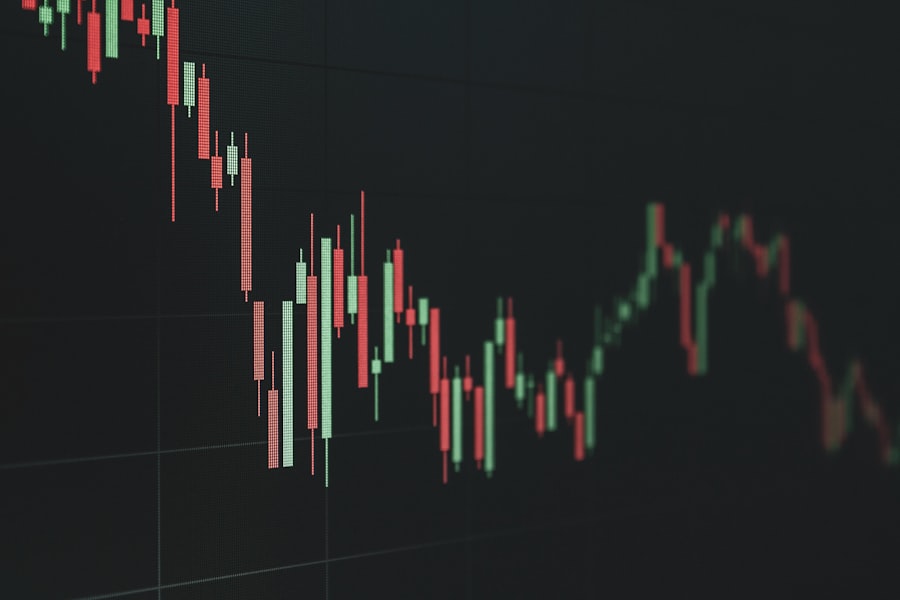
Identifying opportunities in global macro investments requires a keen understanding of economic trends and the ability to interpret data effectively. Investors often analyze macroeconomic reports, such as employment statistics or inflation data, to gauge the health of economies and identify potential investment opportunities. For example, if a country is experiencing robust GDP growth alongside rising consumer spending, it may signal a favorable environment for equities in that market.
Moreover, global macro investors frequently employ quantitative models to assess correlations between various asset classes and economic indicators. By analyzing historical data, they can identify patterns that may suggest future movements. For instance, if historical data shows that rising oil prices correlate with increased inflation in a particular economy, an investor might position themselves accordingly by investing in energy stocks or commodities when oil prices begin to rise.
Risk Management in Global Macro Investments
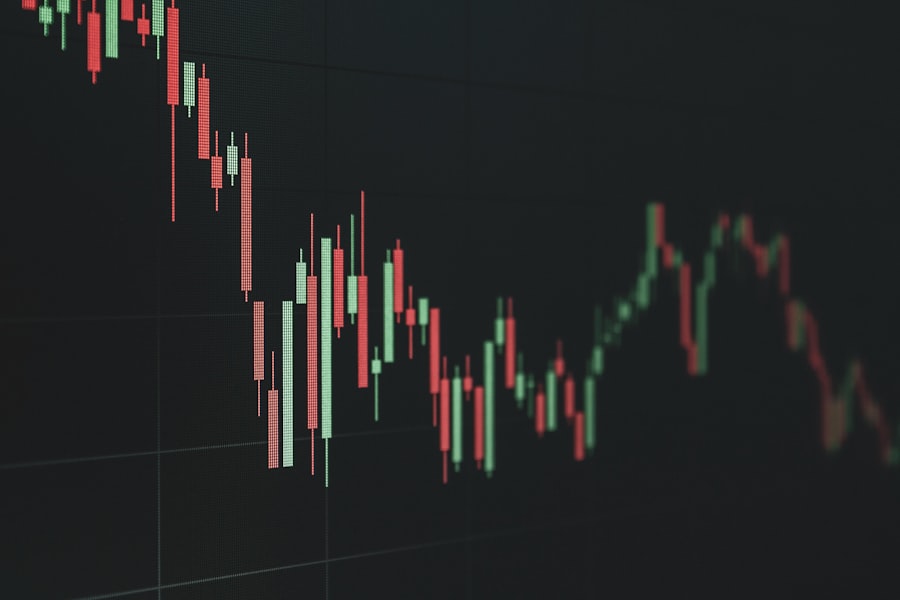
Risk management is paramount in global macro investing due to the inherent volatility of financial markets and the unpredictability of macroeconomic events. Investors must develop robust risk management frameworks that account for various types of risks, including market risk, credit risk, and geopolitical risk. One common approach is the use of stop-loss orders to limit potential losses on positions that move against an investor’s expectations.
Additionally, diversification plays a critical role in mitigating risk within a global macro portfolio. By spreading investments across different asset classes and geographic regions, investors can reduce their exposure to any single economic event or market downturn. For instance, an investor might hold positions in both emerging market equities and developed market bonds to balance potential risks associated with economic fluctuations in either region.
In the ever-evolving landscape of global macro investment, understanding the interplay between economic indicators and market movements is crucial for making informed decisions. A recent article on Savanti Investments delves into the intricacies of this investment strategy, highlighting key trends and potential opportunities for investors. For a deeper insight into how global events shape market dynamics, you can read the full article here. This resource provides valuable perspectives that can enhance your investment approach in today’s complex environment.
Strategies for Successful Global Macro Investments
| Metric | Description | Value | Unit | Source |
|---|---|---|---|---|
| Global GDP Growth Rate | Annual percentage growth rate of global GDP | 3.2 | % | World Bank |
| US 10-Year Treasury Yield | Yield on 10-year US government bonds | 3.75 | % | Federal Reserve |
| USD/EUR Exchange Rate | Value of 1 US dollar in euros | 0.91 | EUR | Forex Market |
| Brent Crude Oil Price | Price per barrel of Brent crude oil | 85.40 | USD | ICE Futures |
| Global Inflation Rate | Average annual inflation rate worldwide | 4.1 | % | IMF |
| Emerging Markets Equity Index | Performance index of emerging market equities | 7.8 | % YTD | MSCI |
| Gold Price | Price per ounce of gold | 1950 | USD | LBMA |
| Global Unemployment Rate | Percentage of unemployed workforce globally | 5.6 | % | ILO |
Successful global macro investing often hinges on the implementation of well-defined strategies that align with an investor’s outlook on economic trends. One prevalent strategy is trend following, where investors seek to capitalize on established market trends by taking long or short positions based on momentum indicators. This approach requires continuous monitoring of market conditions and a willingness to adapt quickly as trends evolve.
Another effective strategy is relative value trading, which involves identifying discrepancies in pricing between related assets. For example, if two countries have similar economic fundamentals but one country’s currency is undervalued compared to the other, an investor might go long on the undervalued currency while shorting the overvalued one. This strategy relies on the assumption that market inefficiencies will eventually correct themselves, allowing investors to profit from the convergence of prices.
Global Macro Investment Instruments
Discover diverse opportunities with Savanti Tokenized Investment Funds designed for modern investors.
Global macro investors have access to a diverse array of investment instruments that enable them to express their views on macroeconomic trends effectively. Traditional asset classes such as stocks and bonds remain popular choices; however, derivatives like options and futures contracts are also widely utilized for their flexibility and leverage. These instruments allow investors to hedge against potential losses or amplify their exposure to specific market movements.
Exchange-traded funds (ETFs) have gained traction among global macro investors due to their liquidity and ease of access. ETFs provide exposure to various asset classes and geographic regions without requiring direct ownership of individual securities. For instance, an investor looking to gain exposure to emerging markets might choose an emerging market ETF that tracks a basket of stocks from multiple countries, thereby diversifying their investment while maintaining a macroeconomic focus.
Monitoring and Evaluating Global Macro Investments
Continuous monitoring and evaluation are essential components of successful global macro investing. Investors must stay attuned to economic indicators and geopolitical developments that could impact their positions. Regularly reviewing performance metrics allows investors to assess whether their strategies are yielding the desired results or if adjustments are necessary.
Utilizing technology can enhance monitoring capabilities significantly. Many investors leverage advanced analytics tools and platforms that aggregate data from various sources, providing real-time insights into market conditions. By employing these tools, investors can quickly identify emerging trends or shifts in sentiment that may warrant a reevaluation of their investment thesis.
Diversification in Global Macro Investments
Diversification is a cornerstone principle in global macro investing that helps mitigate risk while enhancing potential returns. By spreading investments across different asset classes—such as equities, fixed income, currencies, and commodities—investors can reduce their exposure to any single economic event or market downturn. This strategy is particularly important in the context of global macro investing, where economic conditions can vary significantly across regions.
Investors may also consider diversifying geographically by allocating capital across various countries or regions with differing economic cycles. For example, during periods of economic expansion in one region, another region may be experiencing contraction. By maintaining a diversified portfolio that spans multiple geographies, investors can better position themselves to capitalize on growth opportunities while minimizing risks associated with localized downturns.
The Role of Geopolitical Events in Global Macro Investments
Geopolitical events are pivotal in shaping the landscape of global macro investments. Political instability, trade negotiations, and international conflicts can create significant volatility in financial markets, prompting investors to reassess their strategies frequently. For instance, the Brexit referendum had far-reaching implications for currency markets and European equities as investors grappled with uncertainty surrounding the future relationship between the UK and the European Union.
Moreover, geopolitical tensions can lead to shifts in commodity prices due to changes in supply chains or production levels. For example, conflicts in oil-producing regions often result in spikes in crude oil prices as concerns about supply disruptions mount. Global macro investors must remain vigilant regarding geopolitical developments and their potential impact on various asset classes.
Adapting to Market Volatility in Global Macro Investments
Market volatility is an inherent characteristic of global macro investing that requires investors to be agile and responsive. Economic data releases, central bank announcements, and geopolitical events can trigger rapid price movements across asset classes. To navigate this volatility effectively, investors often employ tactical asset allocation strategies that allow them to adjust their portfolios based on changing market conditions.
For instance, during periods of heightened volatility driven by economic uncertainty or geopolitical tensions, an investor might reduce exposure to riskier assets like equities while increasing allocations to safe-haven assets such as gold or U.S. Treasuries. This proactive approach helps protect capital during turbulent times while positioning the portfolio for potential recovery when market conditions stabilize.
The Future of Global Macro Investments
The future of global macro investments is likely to be shaped by several evolving trends and challenges. As technology continues to advance, data analytics will play an increasingly critical role in informing investment decisions. Investors will have access to vast amounts of information that can enhance their ability to identify opportunities and assess risks more effectively.
Additionally, the growing interconnectedness of global economies means that events in one region can have far-reaching implications for others. As such, global macro investors will need to adopt a holistic perspective that considers not only domestic factors but also international dynamics when formulating their strategies. The rise of environmental, social, and governance (ESG) considerations may also influence investment decisions as more investors seek sustainable opportunities aligned with their values.
In conclusion, global macro investments offer a unique approach for navigating complex financial landscapes shaped by economic trends and geopolitical events. By understanding the factors influencing these investments and employing effective strategies for risk management and diversification, investors can position themselves for success in an ever-evolving market environment.
FAQs
What is global macro investment?
Global macro investment is a strategy that involves making investment decisions based on the analysis of large-scale economic and political events worldwide. Investors use macroeconomic indicators, geopolitical developments, and market trends to identify opportunities across various asset classes such as currencies, commodities, bonds, and equities.
Which asset classes are commonly involved in global macro investing?
Global macro investors typically trade a diverse range of asset classes including foreign exchange (currencies), government and corporate bonds, equities, commodities like oil and gold, and derivatives. This diversification allows them to capitalize on global economic shifts and hedge risks.
How do global macro investors analyze markets?
Global macro investors use a combination of fundamental analysis, which examines economic data and political events, and technical analysis, which studies price patterns and market trends. They monitor indicators such as interest rates, inflation, GDP growth, and geopolitical developments to forecast market movements.
What are the risks associated with global macro investment?
Risks include market volatility, geopolitical uncertainty, currency fluctuations, and incorrect predictions of economic trends. Because global macro strategies often involve leverage and trading across multiple markets, losses can be significant if the investor’s analysis proves wrong.
Who typically uses global macro investment strategies?
Global macro strategies are commonly employed by hedge funds, institutional investors, and sophisticated individual investors. These investors seek to achieve high returns by exploiting macroeconomic trends and are willing to accept higher risk and complexity in their portfolios.