Blockchain crypto investment funds represent a novel approach to investing in digital assets, leveraging the decentralized and transparent nature of blockchain technology. These funds typically pool capital from multiple investors to invest in a diversified portfolio of cryptocurrencies and blockchain-related projects. The structure of these funds can vary significantly, ranging from hedge funds that actively trade cryptocurrencies to venture capital funds that invest in blockchain startups. The primary goal is to provide investors with exposure to the burgeoning cryptocurrency market while mitigating some of the inherent risks associated with direct investment in individual cryptocurrencies.
The rise of blockchain technology has led to the creation of various financial instruments, including exchange-traded funds (ETFs) and mutual funds that focus on cryptocurrencies. These investment vehicles allow investors to gain exposure to the crypto market without needing to manage the complexities of buying, storing, and securing digital assets themselves. By pooling resources, these funds can also access a broader range of investment opportunities, including initial coin offerings (ICOs) and private placements in blockchain companies, which may not be available to individual investors. Understanding the structure and strategy of these funds is crucial for anyone looking to navigate the rapidly evolving landscape of cryptocurrency investments.
For those interested in exploring the dynamic world of blockchain and cryptocurrency investment funds, a related article can provide valuable insights into the latest trends and strategies in this rapidly evolving market. You can read more about it in this informative piece available at Savanti Investments, which discusses various approaches to investing in crypto assets and the potential risks and rewards associated with them.
Finding the Right Investment Fund for You
Choosing the right blockchain crypto investment fund requires careful consideration of several factors, including investment strategy, risk tolerance, and fund management. Different funds employ various strategies, such as long-term holding, active trading, or a combination of both. For instance, some funds may focus on established cryptocurrencies like Bitcoin and Ethereum, while others may target emerging altcoins or blockchain startups. Investors should assess their own investment goals and risk appetite to determine which type of fund aligns best with their financial objectives.
Additionally, it is essential to evaluate the fund’s management team and their track record in the cryptocurrency space. A fund managed by experienced professionals with a deep understanding of blockchain technology and market dynamics is more likely to navigate the volatile crypto landscape successfully. Investors should also consider the fund’s fee structure, as management fees and performance fees can significantly impact overall returns. Transparency in reporting and communication is another critical aspect; investors should seek funds that provide regular updates on performance and strategy adjustments.
Diversifying Your Portfolio with Blockchain Crypto Investment Funds
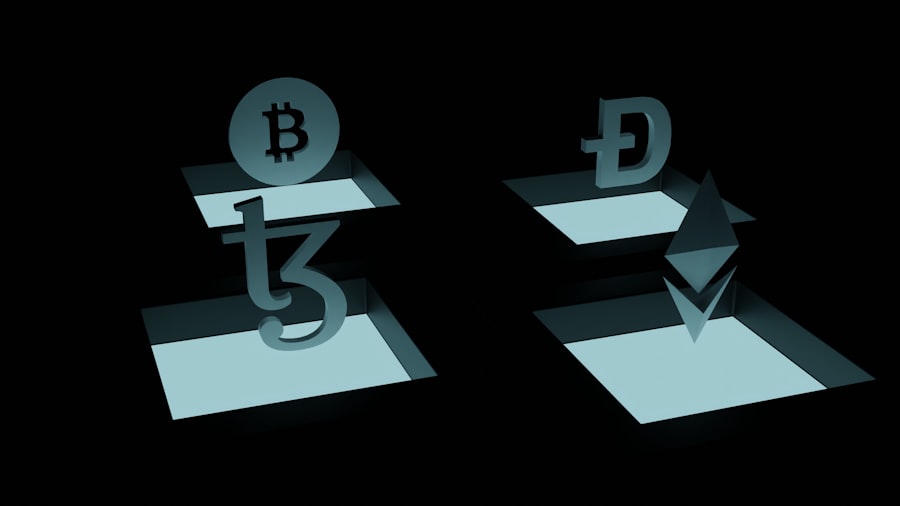
Diversification is a fundamental principle of investing that can help mitigate risk while enhancing potential returns. Blockchain crypto investment funds offer a unique opportunity for diversification within the cryptocurrency space. By investing in a fund that holds a variety of digital assets, investors can reduce their exposure to the volatility associated with individual cryptocurrencies. For example, if an investor were to allocate their capital solely to Bitcoin, they would be heavily impacted by Bitcoin’s price fluctuations. However, by investing in a fund that includes a mix of Bitcoin, Ethereum, and other altcoins, the overall risk can be spread across multiple assets.
Moreover, some blockchain investment funds may also include investments in related sectors such as decentralized finance (DeFi), non-fungible tokens (NFTs), or blockchain infrastructure projects. This broader approach not only diversifies risk but also allows investors to capitalize on various trends within the blockchain ecosystem. For instance, as DeFi continues to gain traction, funds that invest in DeFi protocols may see significant growth potential. Therefore, understanding the composition of a fund’s portfolio is crucial for investors looking to achieve a well-rounded exposure to the blockchain market.
Managing Risk in Blockchain Crypto Investment Funds

Investing in blockchain crypto investment funds inherently involves a degree of risk due to the volatility and unpredictability of the cryptocurrency market. Effective risk management strategies are essential for protecting capital and ensuring long-term success. One common approach is to implement stop-loss orders or other automated trading strategies that can help limit losses during market downturns. Additionally, many funds employ diversification as a risk management tool, spreading investments across various cryptocurrencies and blockchain projects to reduce exposure to any single asset’s poor performance.
Another critical aspect of risk management is conducting thorough due diligence on the underlying assets within the fund’s portfolio. Investors should be aware of the specific risks associated with each cryptocurrency or project, including regulatory challenges, technological vulnerabilities, and market competition. Furthermore, understanding the liquidity profile of the assets held by the fund is vital; illiquid assets can pose significant risks during times of market stress when quick exits may be necessary. By staying informed and actively monitoring market conditions, investors can make more informed decisions regarding their investments in blockchain crypto funds.
As the landscape of blockchain technology continues to evolve, investment funds focused on cryptocurrencies are gaining significant traction among investors. A recent article discusses the implications of new legislation on stablecoins and how it is paving the way for a more robust on-chain financial system. This development is crucial for those looking to understand the future of crypto investment funds and their potential impact on the market. For more insights, you can read the article on this topic here.
Maximizing Returns through Active Management
| Fund Name | Assets Under Management (AUM) | Investment Focus | Inception Year | Geographic Focus | Annualized Return (5 Years) |
|---|---|---|---|---|---|
| Blockchain Capital | 3.5 Billion | Blockchain Infrastructure, Crypto Assets | 2013 | Global | 18% |
| Pantera Capital | 4.2 Billion | Cryptocurrency, Tokenized Assets | 2013 | Global | 22% |
| Polychain Capital | 2.6 Billion | Crypto Hedge Fund, Protocol Tokens | 2016 | Global | 25% |
| Digital Currency Group | 10 Billion | Crypto Startups, Blockchain Companies | 2015 | Global | 15% |
| Grayscale Investments | 30 Billion | Crypto Trusts, Digital Assets | 2013 | Global | 20% |
Active management in blockchain crypto investment funds can significantly enhance potential returns compared to passive strategies. Fund managers who actively trade cryptocurrencies can capitalize on short-term price movements and market inefficiencies that may not be accessible through a buy-and-hold approach. For instance, during periods of high volatility, skilled managers can adjust their portfolios dynamically, increasing exposure to high-performing assets while reducing holdings in underperforming ones.
Moreover, active management allows fund managers to respond quickly to emerging trends within the cryptocurrency space. For example, if a new technology or protocol gains traction—such as layer-2 scaling solutions or advancements in interoperability—an actively managed fund can pivot its strategy to invest in these opportunities before they become mainstream. This agility can lead to superior returns over time, especially in a rapidly evolving market like cryptocurrency where new developments occur frequently.
Leveraging Technology for Better Investment Performance
Explore the innovative investment opportunities offered by the Tokenized Crypto Fund today.
The integration of technology into blockchain crypto investment funds has revolutionized how investments are managed and analyzed. Advanced algorithms and machine learning techniques are increasingly being employed to analyze vast amounts of data from various sources, including social media sentiment, trading volumes, and historical price patterns. These technologies enable fund managers to make data-driven decisions that can enhance performance and reduce risks.
Additionally, blockchain technology itself offers unique advantages for investment funds. The transparency and immutability of blockchain records allow for more accurate tracking of asset ownership and transaction history. This transparency can build trust among investors and facilitate better compliance with regulatory requirements. Furthermore, smart contracts can automate various processes within investment funds, such as fee calculations and profit distributions, streamlining operations and reducing administrative costs.
The Role of Regulation in Blockchain Crypto Investment Funds
Regulation plays a crucial role in shaping the landscape of blockchain crypto investment funds. As cryptocurrencies have gained popularity, regulatory bodies worldwide have begun implementing frameworks to govern their use and trading. These regulations aim to protect investors from fraud and ensure market integrity while fostering innovation within the blockchain space. For instance, in the United States, the Securities and Exchange Commission (SEC) has taken steps to regulate certain cryptocurrencies as securities, impacting how investment funds operate.
Compliance with regulatory requirements is essential for blockchain crypto investment funds seeking legitimacy and investor confidence. Funds must navigate complex legal landscapes that vary by jurisdiction, which can include registration requirements, reporting obligations, and adherence to anti-money laundering (AML) laws. As regulations continue to evolve, funds that proactively adapt their strategies will be better positioned to thrive in an increasingly regulated environment.
Evaluating the Performance of Blockchain Crypto Investment Funds
Assessing the performance of blockchain crypto investment funds requires a nuanced approach due to the unique characteristics of cryptocurrency markets. Traditional performance metrics such as return on investment (ROI) may not fully capture the volatility and risk associated with digital assets. Instead, investors should consider metrics like Sharpe ratio or Sortino ratio, which account for risk-adjusted returns. These metrics provide a clearer picture of how well a fund is performing relative to its risk profile.
Additionally, comparing a fund’s performance against relevant benchmarks is crucial for evaluation. For example, if a fund primarily invests in large-cap cryptocurrencies like Bitcoin and Ethereum, comparing its performance against a cryptocurrency index that tracks these assets can provide valuable insights into its relative success. Furthermore, understanding the fund’s historical performance during different market cycles—bull markets versus bear markets—can help investors gauge its resilience and adaptability.
Tax Considerations for Blockchain Crypto Investment Funds
Tax implications are an essential consideration for investors in blockchain crypto investment funds. The treatment of cryptocurrency gains varies significantly by jurisdiction; some countries classify cryptocurrencies as property while others treat them as currency or financial instruments. This classification affects how capital gains taxes are applied when investors realize profits from their investments in crypto funds.
In many jurisdictions, capital gains taxes are incurred when an investor sells or exchanges their cryptocurrency holdings for profit. However, tax treatment can become more complex when dealing with investment funds that may engage in frequent trading or utilize derivatives strategies. Investors should consult with tax professionals who specialize in cryptocurrency taxation to ensure compliance with local laws and optimize their tax strategies effectively.
The Future of Blockchain Crypto Investment Funds
The future of blockchain crypto investment funds appears promising as institutional interest continues to grow alongside retail adoption of cryptocurrencies. As more traditional financial institutions enter the space—offering products like crypto ETFs or custodial services—the legitimacy of blockchain investments will likely increase. This influx of institutional capital could lead to greater market stability and potentially higher valuations for digital assets.
Moreover, advancements in technology will continue to shape how these funds operate and deliver value to investors. Innovations such as decentralized finance (DeFi) platforms may offer new avenues for yield generation and liquidity provision within investment strategies. As regulatory frameworks mature and become more standardized globally, we may see an increase in innovative fund structures designed specifically for digital assets.
Tips for Successful Investing in Blockchain Crypto Investment Funds
Successful investing in blockchain crypto investment funds requires a combination of research, strategy, and ongoing education. First and foremost, investors should thoroughly research potential funds before committing capital; this includes understanding their investment philosophy, historical performance, fee structures, and management team expertise. Engaging with fund managers through webinars or Q&A sessions can provide valuable insights into their strategies and outlook on market trends.
Additionally, maintaining a long-term perspective is crucial when investing in volatile markets like cryptocurrencies. While short-term price fluctuations can be alarming, focusing on long-term growth potential can help investors avoid making impulsive decisions based on market noise. Regularly reviewing one’s portfolio allocation and adjusting based on changing market conditions or personal financial goals is also essential for maintaining an effective investment strategy in this dynamic landscape.
By combining thorough research with strategic planning and ongoing education about market developments and regulatory changes, investors can position themselves for success within the exciting realm of blockchain crypto investment funds.
FAQs
What are blockchain crypto investment funds?
Blockchain crypto investment funds are pooled investment vehicles that allocate capital into cryptocurrencies and blockchain-related assets. They allow investors to gain exposure to the crypto market without directly buying or managing individual digital currencies.
How do blockchain crypto investment funds work?
These funds collect money from multiple investors and use it to purchase a diversified portfolio of cryptocurrencies or blockchain-based projects. Fund managers handle asset selection, trading, and risk management on behalf of investors.
What are the benefits of investing in blockchain crypto funds?
Benefits include professional management, diversification across multiple crypto assets, reduced need for technical knowledge, and easier access to the crypto market compared to direct investment.
What risks are associated with blockchain crypto investment funds?
Risks include market volatility, regulatory uncertainty, potential security vulnerabilities, and the possibility of fund mismanagement. Crypto assets can experience significant price fluctuations.
Are blockchain crypto investment funds regulated?
Regulation varies by jurisdiction. Some funds operate under established financial regulations, while others may be less regulated. Investors should verify the fund’s compliance status and understand the legal framework before investing.