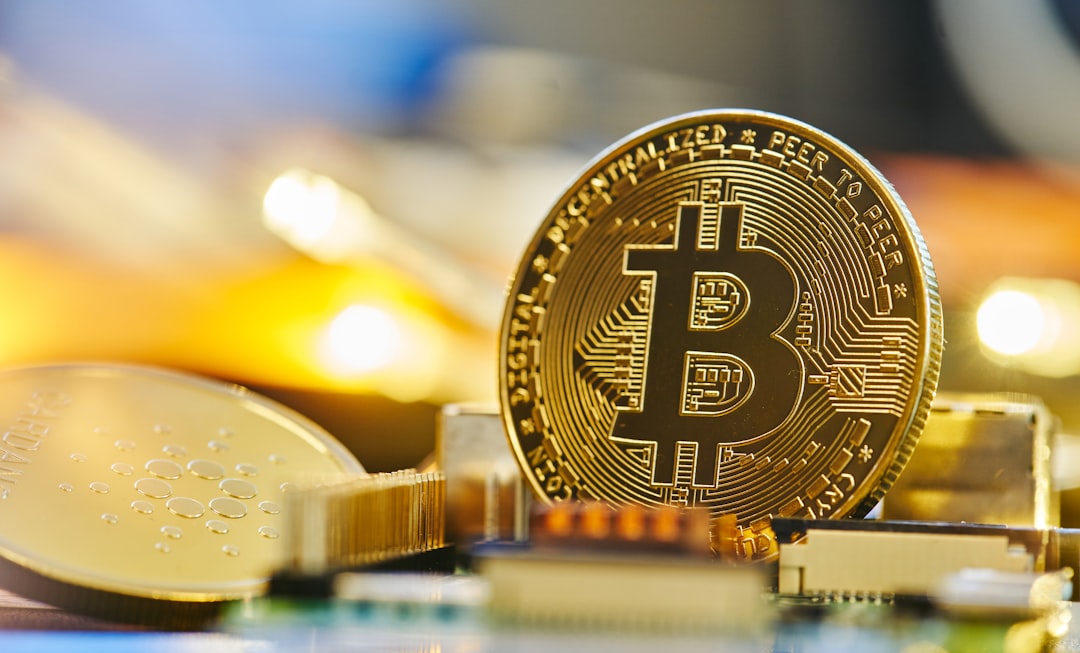
Digital assets fund managers play a pivotal role in the rapidly evolving landscape of cryptocurrency and blockchain investments. These professionals are responsible for overseeing investment strategies that focus on digital currencies, tokens, and other blockchain-based assets. Their primary objective is to maximize returns for their investors while navigating the complexities and volatility inherent in this asset class. Unlike traditional fund managers, who may deal with stocks and bonds, digital assets fund managers must possess a deep understanding of the underlying technology, market dynamics, and regulatory environment that govern digital assets.
The role of a digital assets fund manager extends beyond mere investment selection; it encompasses risk management, portfolio diversification, and strategic asset allocation. They must stay abreast of technological advancements, market trends, and emerging projects within the blockchain ecosystem. This requires continuous education and adaptation, as the digital asset space is characterized by rapid innovation and frequent shifts in investor sentiment. Furthermore, these managers often engage in extensive research and analysis to identify promising investment opportunities while also assessing potential risks associated with various digital assets.
Digital assets fund managers are increasingly navigating the complexities of the cryptocurrency market, and a recent article provides valuable insights into the evolving landscape. For a deeper understanding of the strategies and challenges faced by these managers, you can read more in this related article: Savanti Investments. This resource offers a comprehensive overview of the current trends and best practices in managing digital asset portfolios.
Developing a Strategic Investment Approach
A well-defined strategic investment approach is crucial for digital assets fund managers to navigate the complexities of the market effectively. This strategy typically begins with a thorough analysis of the macroeconomic environment, including factors such as inflation rates, interest rates, and geopolitical events that can influence market sentiment. By understanding these broader economic indicators, fund managers can better position their portfolios to capitalize on potential opportunities or mitigate risks.
In addition to macroeconomic analysis, a successful investment strategy in digital assets often involves a combination of fundamental and technical analysis. Fundamental analysis focuses on evaluating the intrinsic value of digital assets by examining factors such as project viability, team expertise, and market demand. Conversely, technical analysis involves studying price charts and trading volumes to identify patterns and trends that can inform buy or sell decisions. By integrating both approaches, fund managers can develop a more comprehensive understanding of the market and make informed investment choices that align with their overall strategy.
Leveraging Technology for Efficient Asset Management

The integration of technology into asset management processes has revolutionized how digital assets are managed. Fund managers increasingly rely on sophisticated tools and platforms to streamline operations, enhance decision-making, and improve overall efficiency. For instance, portfolio management software can automate various tasks such as trade execution, performance tracking, and reporting, allowing managers to focus on strategic decision-making rather than administrative duties.
Moreover, blockchain technology itself offers unique advantages for asset management. Smart contracts can facilitate automated transactions and ensure compliance with predefined conditions, reducing the need for intermediaries and minimizing operational risks. Additionally, decentralized finance (DeFi) platforms provide innovative solutions for liquidity management and yield generation, enabling fund managers to explore new avenues for enhancing returns on their portfolios. By leveraging these technological advancements, digital assets fund managers can optimize their operations and deliver better outcomes for their investors.
Diversifying Digital Asset Portfolios

Diversification is a fundamental principle in investment management that holds particular significance in the realm of digital assets. Given the inherent volatility of cryptocurrencies and other blockchain-based assets, a well-diversified portfolio can help mitigate risks while maximizing potential returns. Digital assets fund managers often employ various strategies to achieve diversification, including investing across different asset classes, sectors, and geographical regions.
One common approach is to allocate funds across a mix of established cryptocurrencies like Bitcoin and Ethereum alongside emerging altcoins with high growth potential. This strategy allows fund managers to capture upside potential while balancing exposure to more stable assets. Additionally, diversification can extend beyond cryptocurrencies to include tokenized assets such as real estate or commodities, further broadening the investment landscape. By carefully constructing a diversified portfolio, fund managers can enhance resilience against market fluctuations and improve long-term performance.
Digital assets fund managers are increasingly navigating the complexities of a rapidly evolving financial landscape, where tokenization is becoming a pivotal trend. A recent article explores this phenomenon in depth, highlighting how the genius act clarity framework and project crypto are reshaping both public and private markets for an on-chain future. For those interested in understanding the implications of these changes, the article can be found here: the institutional tokenization revolution. This shift is not only transforming investment strategies but also redefining the role of fund managers in the digital asset space.
Managing Risk in Digital Asset Investments
| Fund Manager | Assets Under Management (AUM) | Fund Type | Inception Year | Performance (1 Year) | Management Fee |
|---|---|---|---|---|---|
| Galaxy Digital | 3.5 Billion | Crypto Hedge Fund | 2018 | 45% | 2% |
| Pantera Capital | 2.8 Billion | Venture & Hedge Fund | 2013 | 38% | 2.5% |
| Grayscale Investments | 25 Billion | Digital Asset Trusts | 2013 | 50% | 2% |
| CoinShares | 1.2 Billion | Crypto Investment Fund | 2014 | 30% | 1.5% |
| Bitwise Asset Management | 1 Billion | Index Fund | 2017 | 42% | 2% |
Risk management is a critical component of any investment strategy, particularly in the volatile world of digital assets. Fund managers must implement robust risk management frameworks to protect their investors’ capital while pursuing growth opportunities. This involves identifying potential risks associated with individual assets as well as broader market risks that could impact the entire portfolio.
One effective risk management technique is the use of stop-loss orders, which automatically trigger a sale when an asset reaches a predetermined price point. This helps limit losses during market downturns and provides a safety net for investors. Additionally, fund managers often conduct stress testing to evaluate how their portfolios would perform under various adverse scenarios, allowing them to make informed adjustments as needed. By proactively managing risk through these strategies, digital assets fund managers can safeguard their investments while navigating the unpredictable nature of the market.
Identifying and Capitalizing on Market Trends
Explore investment opportunities with the Tokenized Crypto Fund to diversify your portfolio.
The ability to identify and capitalize on emerging market trends is essential for digital assets fund managers seeking to outperform their benchmarks. This requires a keen understanding of market dynamics and an awareness of factors that drive investor sentiment. For instance, trends such as increased institutional adoption of cryptocurrencies or regulatory developments can significantly influence market behavior.
Fund managers often employ various research methodologies to stay ahead of trends. This may include analyzing social media sentiment, monitoring news cycles, or utilizing advanced data analytics tools to track trading volumes and price movements. By recognizing patterns early on, fund managers can position their portfolios strategically to benefit from anticipated market shifts. For example, during periods of heightened interest in decentralized finance (DeFi), fund managers may increase their exposure to DeFi tokens that are poised for growth.
Navigating Regulatory and Compliance Challenges
The regulatory landscape surrounding digital assets is complex and continually evolving. Fund managers must navigate a myriad of regulations that vary by jurisdiction while ensuring compliance with applicable laws governing securities, anti-money laundering (AML), and know-your-customer (KYC) requirements. Failure to adhere to these regulations can result in significant legal repercussions and reputational damage.
To effectively manage regulatory challenges, digital assets fund managers often engage legal experts who specialize in cryptocurrency regulations. These professionals help ensure that investment strategies align with current laws while also anticipating future regulatory developments that could impact the industry. Additionally, maintaining transparency with investors regarding compliance measures fosters trust and confidence in the fund’s operations. By proactively addressing regulatory challenges, fund managers can mitigate risks associated with non-compliance while positioning themselves as responsible stewards of investor capital.
Utilizing Data Analytics for Informed Decision Making
Data analytics has become an indispensable tool for digital assets fund managers seeking to make informed investment decisions. The vast amount of data generated within the cryptocurrency ecosystem provides valuable insights into market behavior, investor sentiment, and asset performance. By harnessing advanced analytics techniques, fund managers can uncover patterns and trends that inform their investment strategies.
For instance, machine learning algorithms can analyze historical price data to identify correlations between various digital assets or predict future price movements based on past behavior. Additionally, sentiment analysis tools can gauge public perception of specific cryptocurrencies by analyzing social media posts or news articles. By integrating these data-driven insights into their decision-making processes, fund managers can enhance their ability to identify lucrative investment opportunities while minimizing risks associated with emotional decision-making.
Building and Maintaining Strong Industry Relationships
In the fast-paced world of digital assets, building and maintaining strong industry relationships is crucial for fund managers seeking to thrive in this competitive landscape. Networking with other professionals in the industry can lead to valuable partnerships, collaboration opportunities, and access to exclusive investment deals. Fund managers often attend conferences, webinars, and industry events to connect with peers, thought leaders, and potential investors.
Moreover, establishing relationships with key stakeholders such as exchanges, custodians, and technology providers can enhance operational efficiency and provide access to critical resources. For example, partnerships with custodial services ensure secure storage of digital assets while facilitating seamless transactions for investors. By fostering these relationships, digital assets fund managers can create a robust support network that enhances their ability to navigate challenges and seize opportunities within the market.
Implementing Effective Communication Strategies with Investors
Effective communication is paramount for digital assets fund managers aiming to build trust and transparency with their investors. Given the complexities of digital asset investments, clear communication regarding investment strategies, performance metrics, and market outlook is essential for fostering investor confidence. Fund managers often utilize various channels such as newsletters, webinars, and one-on-one meetings to keep investors informed about portfolio developments.
Additionally, providing regular updates on market trends and regulatory changes helps investors understand the broader context in which their investments operate. Transparency regarding fees, risks, and performance expectations further enhances trust between fund managers and investors. By prioritizing effective communication strategies, digital assets fund managers can cultivate strong relationships with their investors while ensuring alignment between expectations and outcomes.
Evaluating Performance and Making Adjustments for Continued Success
Continuous evaluation of portfolio performance is vital for digital assets fund managers seeking sustained success in this dynamic market. Regular performance assessments allow fund managers to identify areas of strength as well as opportunities for improvement within their investment strategies. This process often involves comparing portfolio returns against relevant benchmarks while also analyzing individual asset performance.
When performance falls short of expectations or market conditions change significantly, fund managers must be prepared to make necessary adjustments to their portfolios. This may involve reallocating capital among different assets or sectors based on updated research or emerging trends. Additionally, conducting post-mortem analyses on underperforming investments provides valuable lessons that inform future decision-making processes. By maintaining a proactive approach to performance evaluation and adjustment, digital assets fund managers can enhance their ability to adapt to changing market conditions while striving for long-term success.
FAQs
What are digital assets fund managers?
Digital assets fund managers are professionals or firms that oversee investment portfolios consisting primarily of digital assets such as cryptocurrencies, tokens, and other blockchain-based financial instruments. They make decisions on buying, selling, and holding these assets to achieve specific investment goals.
How do digital assets fund managers differ from traditional fund managers?
Digital assets fund managers specialize in managing portfolios that include cryptocurrencies and other blockchain-related assets, which are typically more volatile and operate in a less regulated environment compared to traditional assets like stocks and bonds. They require specialized knowledge of blockchain technology, market dynamics, and regulatory considerations unique to digital assets.
What types of digital assets do these fund managers typically invest in?
Digital assets fund managers commonly invest in cryptocurrencies such as Bitcoin and Ethereum, as well as other digital tokens including utility tokens, security tokens, and stablecoins. Some may also invest in blockchain-based derivatives, decentralized finance (DeFi) products, and non-fungible tokens (NFTs), depending on their investment strategy.
What are the risks associated with investing in digital assets funds?
Investing in digital assets funds carries risks such as high market volatility, regulatory uncertainty, cybersecurity threats, and liquidity challenges. Additionally, the relatively new and evolving nature of digital assets means that fund managers must navigate complex legal and operational risks that can impact fund performance.
How can investors choose a reputable digital assets fund manager?
Investors should evaluate a digital assets fund manager based on their track record, expertise in blockchain and digital assets, transparency in reporting, regulatory compliance, and risk management practices. It is also important to review the fund’s investment strategy, fees, and the security measures in place to protect digital assets.