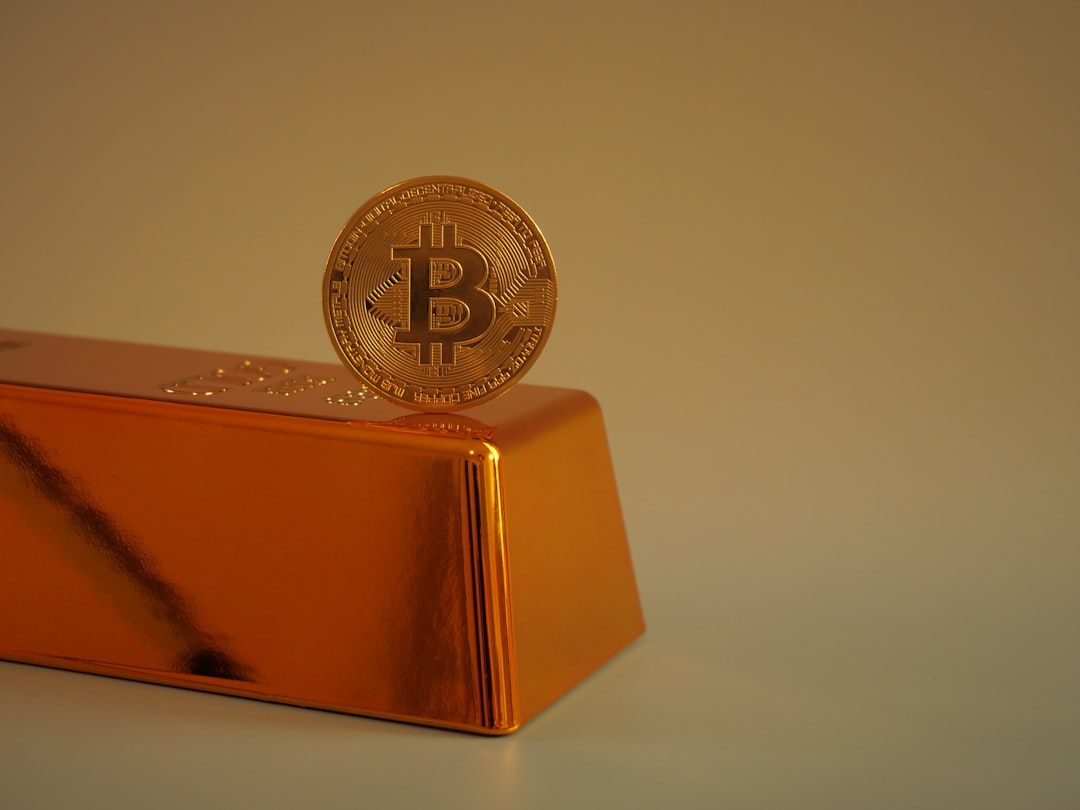
Digital assets funds represent a burgeoning sector within the financial landscape, characterized by their focus on cryptocurrencies, tokens, and other blockchain-based assets. These funds can take various forms, including hedge funds, mutual funds, and exchange-traded funds (ETFs), each designed to provide investors with exposure to the rapidly evolving digital asset market. The primary objective of these funds is to pool capital from multiple investors to invest in a diversified portfolio of digital assets, thereby mitigating individual risk while capitalizing on the potential for high returns.
The structure of digital assets funds can vary significantly. Some funds are actively managed, where fund managers make strategic decisions based on market analysis and trends, while others may be passively managed, tracking specific indices or benchmarks related to digital assets. The rise of digital assets funds has been fueled by the increasing acceptance of cryptocurrencies and blockchain technology in mainstream finance, as well as the growing demand from institutional investors seeking to diversify their portfolios with alternative assets. This evolution reflects a broader trend towards digitalization in finance, where traditional investment paradigms are being challenged by innovative technologies.
Digital asset funds have gained significant attention in recent years as investors seek to diversify their portfolios with cryptocurrencies and other blockchain-based assets. For a deeper understanding of the strategies and benefits associated with these funds, you can explore a related article on Savanti Investments, which outlines various investment approaches and the potential risks involved. To read more, visit Savanti Investments.
The Benefits of Investing in Digital Assets Funds
Investing in digital assets funds offers several compelling advantages that appeal to a wide range of investors. One of the most significant benefits is the potential for high returns. The digital asset market has historically exhibited substantial volatility, which can lead to significant price swings. For instance, Bitcoin, the most well-known cryptocurrency, has experienced dramatic price increases over short periods, providing early investors with extraordinary returns. By investing in a fund that specializes in digital assets, investors can gain exposure to this high-growth potential without needing to navigate the complexities of individual asset selection.
Another key benefit is diversification. Digital assets funds typically invest in a variety of cryptocurrencies and blockchain projects, which helps spread risk across multiple assets. This diversification can be particularly advantageous in a market characterized by rapid changes and unpredictability. For example, while Bitcoin may be experiencing a downturn, other assets within the fund, such as Ethereum or emerging altcoins, may be performing well. This balance can help stabilize overall returns and reduce the impact of poor performance from any single asset.
Risks and Considerations of Digital Assets Funds
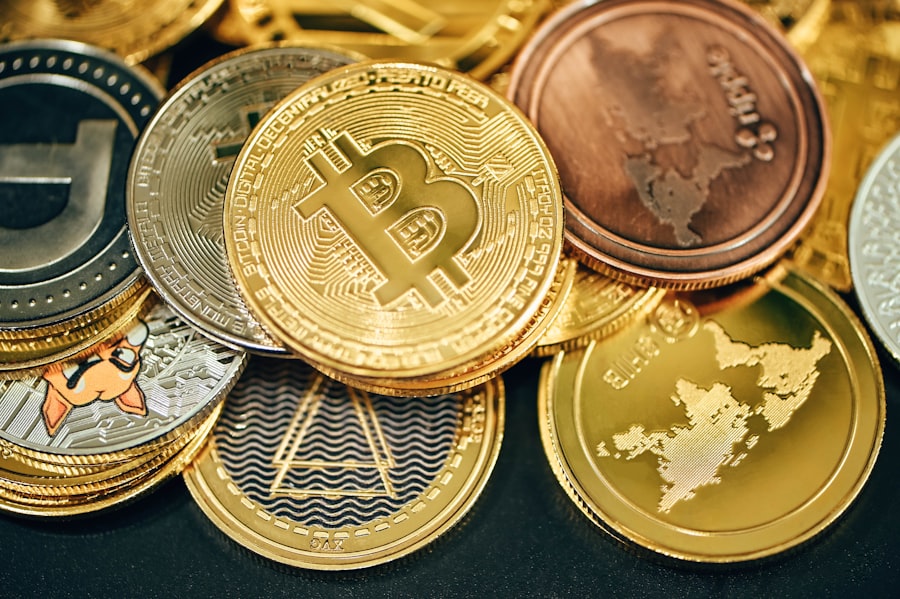
Despite the attractive benefits, investing in digital assets funds is not without its risks and considerations. One of the primary concerns is the inherent volatility of the digital asset market. Prices can fluctuate dramatically within short time frames due to market sentiment, regulatory news, or technological developments. This volatility can lead to significant losses for investors who are not prepared for such swings. For instance, during the 2017 cryptocurrency boom, many investors saw their portfolios soar only to experience steep declines in 2018 when the market corrected sharply.
Additionally, regulatory uncertainty poses a significant risk for digital assets funds. The legal landscape surrounding cryptocurrencies and blockchain technology is still evolving, with different jurisdictions adopting varying approaches to regulation. Changes in regulations can impact the operations of digital asset funds and the value of the underlying assets. For example, if a country were to impose strict regulations on cryptocurrency trading or declare certain tokens as securities, it could adversely affect the fund’s performance and investor confidence.
How to Choose the Right Digital Assets Fund
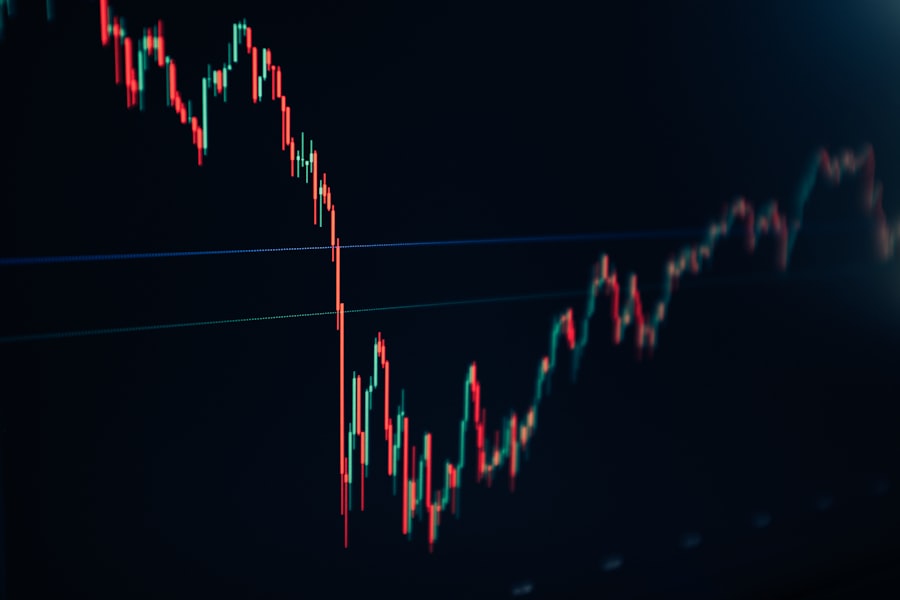
Selecting the right digital assets fund requires careful consideration of several factors. First and foremost, investors should evaluate the fund’s management team and their track record in the digital asset space. A fund managed by experienced professionals with a deep understanding of blockchain technology and market dynamics is more likely to navigate challenges effectively and capitalize on opportunities.
Another critical factor is the fund’s investment strategy. Some funds may focus on large-cap cryptocurrencies like Bitcoin and Ethereum, while others might target smaller, emerging projects with higher growth potential but also greater risk. Understanding the fund’s approach will help investors align their risk tolerance and investment goals with the fund’s objectives. Additionally, examining the fund’s fee structure is essential; high management fees can erode returns over time, so investors should seek transparency regarding costs associated with their investment.
Digital asset funds are becoming increasingly popular as investors seek to diversify their portfolios with cryptocurrencies and blockchain-based assets. A recent article discusses the growing trend of institutional investment in this space, highlighting how funds are adapting to the unique challenges and opportunities presented by digital currencies. For more insights on this topic, you can read the article here: Savanti Investments. This shift not only reflects a changing investment landscape but also underscores the importance of understanding the regulatory environment surrounding digital assets.
The Role of Regulation in Digital Assets Funds
| Metric | Description | Value | Unit |
|---|---|---|---|
| Total Assets Under Management (AUM) | The total market value of all digital assets managed by the fund | 15 | Billion |
| Number of Funds | Total count of active digital asset funds | 120 | Funds |
| Average Fund Size | Average assets under management per fund | 125 | Million |
| Annualized Return | Average yearly return of digital asset funds over the past 3 years | 18 | Percent |
| Expense Ratio | Average annual fee charged by digital asset funds | 1.5 | Percent |
| Top Asset Allocation | Most common digital asset held by funds | Bitcoin | Asset |
| Median Fund Age | Median duration since fund inception | 3 | Years |
Regulation plays a pivotal role in shaping the landscape of digital assets funds. As governments and regulatory bodies around the world grapple with how to classify and oversee cryptocurrencies and related technologies, the implications for funds operating in this space are profound. Regulatory clarity can enhance investor confidence by providing a framework within which funds can operate transparently and securely. For instance, jurisdictions that have established clear guidelines for cryptocurrency exchanges and initial coin offerings (ICOs) tend to attract more institutional investment.
Conversely, regulatory crackdowns can create significant challenges for digital assets funds. In 2021, China implemented stringent measures against cryptocurrency trading and mining, leading to a mass exodus of miners and traders from the country. Such actions can create volatility in global markets and impact fund performance. Therefore, investors must stay informed about regulatory developments that could affect their investments in digital assets funds.
Digital asset funds are rapidly gaining traction as investors seek innovative ways to diversify their portfolios. A recent article discusses how tokenized investment funds are democratizing access to institutional-grade investments, making it easier for a broader range of investors to participate in this evolving market. For more insights on this topic, you can read the full article here: tokenized investment funds. This shift not only enhances liquidity but also opens up new opportunities for individuals who may have previously been excluded from such investment avenues.
Strategies for Managing and Diversifying Digital Assets Funds
Explore investment opportunities with the Tokenized Crypto Fund for diversified digital asset exposure.
Effective management and diversification strategies are crucial for maximizing returns while minimizing risks in digital assets funds. One common approach is to employ a multi-strategy framework that combines various investment styles—such as long-term holding (HODLing), active trading, and arbitrage—allowing fund managers to adapt to changing market conditions. For example, during bullish market phases, a fund might increase its exposure to high-growth altcoins while maintaining a core position in established cryptocurrencies like Bitcoin.
Another strategy involves geographic diversification. Given that different regions may have varying levels of adoption and regulatory environments for digital assets, investing in projects from multiple jurisdictions can help mitigate risks associated with localized market downturns or regulatory changes. For instance, a fund might allocate capital to projects based in North America, Europe, and Asia to capture growth opportunities across diverse markets while reducing exposure to any single region’s regulatory risks.
The Impact of Blockchain Technology on Digital Assets Funds
Blockchain technology serves as the backbone of digital assets and has far-reaching implications for how funds operate and manage their investments. One significant impact is enhanced transparency and security. Blockchain’s decentralized nature allows for real-time tracking of transactions and ownership records, which can help build trust among investors. Funds that leverage blockchain technology can provide greater visibility into their holdings and transactions, thereby enhancing accountability.
Moreover, blockchain technology enables innovative financial products that were previously unimaginable. For instance, tokenization allows traditional assets—such as real estate or art—to be represented as digital tokens on a blockchain. This innovation opens up new avenues for investment within digital assets funds by allowing them to diversify into tokenized assets that may offer unique value propositions or lower barriers to entry for retail investors.
Tax Implications of Investing in Digital Assets Funds
Investors must also consider the tax implications associated with investing in digital assets funds. Tax treatment can vary significantly depending on jurisdiction and the specific nature of the investment. In many countries, cryptocurrencies are treated as property rather than currency for tax purposes, meaning that capital gains taxes may apply when selling or trading digital assets within a fund.
For example, if an investor realizes gains from a digital asset held within a fund after a price increase, they may be subject to capital gains tax on those profits when they withdraw their investment or when the fund realizes those gains through trading activities. Additionally, some jurisdictions may impose specific reporting requirements for cryptocurrency transactions that could complicate tax compliance for both investors and fund managers.
The Future of Digital Assets Funds
The future of digital assets funds appears promising as interest in cryptocurrencies continues to grow among both retail and institutional investors. As more traditional financial institutions enter the space—offering products such as Bitcoin ETFs or crypto custody services—the legitimacy of digital assets is likely to increase further. This trend could lead to greater adoption among mainstream investors who may have previously been hesitant due to perceived risks or lack of understanding.
Furthermore, advancements in technology will likely continue to shape the evolution of digital assets funds. Innovations such as decentralized finance (DeFi) platforms are creating new opportunities for fund managers to access liquidity and yield generation strategies that were not possible before. As these technologies mature and regulatory frameworks become clearer, we may see an influx of new investment vehicles designed specifically for digital assets.
Case Studies: Successful Digital Assets Fund Investments
Examining successful case studies can provide valuable insights into effective strategies employed by digital assets funds. One notable example is Pantera Capital, one of the first institutional investment firms focused exclusively on blockchain technology and cryptocurrencies. Since its inception in 2013, Pantera has achieved remarkable returns by strategically investing in early-stage projects like Bitcoin and Ethereum before they gained widespread recognition.
Another case study is Grayscale Investments, which has become synonymous with cryptocurrency investment products through its Grayscale Bitcoin Trust (GBTC). By offering accredited investors exposure to Bitcoin through a regulated vehicle, Grayscale has attracted billions in assets under management (AUM). Its success highlights how traditional investment structures can be adapted to accommodate digital assets while providing investors with a familiar framework.
Tips for Maximizing Returns in Digital Assets Funds
To maximize returns when investing in digital assets funds, investors should adopt a proactive approach that includes thorough research and ongoing education about market trends and technological developments. Staying informed about emerging projects and understanding their underlying technology can help identify potential winners before they gain traction.
Additionally, maintaining a long-term perspective is crucial in navigating the inherent volatility of digital asset markets. While short-term price fluctuations can be alarming, focusing on fundamental value propositions and long-term growth potential can lead to more favorable outcomes over time. Investors should also consider rebalancing their portfolios periodically to ensure alignment with their risk tolerance and investment goals as market conditions evolve.
By employing these strategies and remaining vigilant about market dynamics, investors can position themselves effectively within the rapidly changing landscape of digital assets funds while maximizing their potential returns.
FAQs
What are digital assets funds?
Digital assets funds are investment funds that primarily invest in digital assets such as cryptocurrencies, tokens, and other blockchain-based financial instruments. These funds provide investors with exposure to the digital asset market without requiring direct ownership or management of the assets.
How do digital assets funds work?
Digital assets funds pool capital from multiple investors to purchase and manage a diversified portfolio of digital assets. Fund managers use their expertise to select, buy, hold, or trade these assets according to the fund’s investment strategy, aiming to generate returns for investors.
What types of digital assets are typically included in these funds?
Digital assets funds often include cryptocurrencies like Bitcoin and Ethereum, as well as other tokens such as utility tokens, security tokens, and stablecoins. Some funds may also invest in blockchain-related equities or derivatives linked to digital assets.
What are the risks associated with investing in digital assets funds?
Investing in digital assets funds carries risks such as high market volatility, regulatory uncertainty, cybersecurity threats, and liquidity challenges. The value of digital assets can fluctuate significantly, and regulatory changes may impact fund operations or asset valuations.
Who can invest in digital assets funds?
Digital assets funds are typically available to accredited or institutional investors due to regulatory requirements and the complex nature of the assets. However, some funds may offer access to retail investors through regulated platforms or investment vehicles, depending on jurisdiction.