Compliance Disclaimer: This article is provided for informational and educational purposes only and is intended solely for accredited investors as defined under SEC Regulation D Rule 506(c). It does not constitute an offer to sell or a solicitation of an offer to buy any securities or investment products. Any offering of Savanti Investments fund interests is made only through definitive offering documents. Past performance is not indicative of future results. All investments involve risk, including the possible loss of capital. Readers should consult qualified financial, legal, and tax advisors before making any investment decision.
Beyond Buying Coins
Digital asset funds are designed for investors who want professional exposure to the blockchain economy without managing wallets, execution venues, custody relationships, and risk controls directly. The category includes directional crypto funds, market-neutral strategies, venture-style blockchain funds, tokenized securities strategies, and diversified digital-asset portfolios.
For institutions and accredited investors, the question is not whether digital assets are volatile. They are. The question is whether the asset class can be accessed through a disciplined structure with appropriate custody, reporting, risk management, and compliance controls.
Institutional Exposure Requires Institutional Controls
A serious digital asset fund should be evaluated on manager process, security architecture, counterparty management, liquidity policy, valuation methodology, and regulatory posture. Custody and operational risk are central underwriting questions, not administrative footnotes.
The strongest managers combine crypto-native market understanding with institutional controls: independent administration, qualified service providers, written risk frameworks, and transparent investor reporting.
Where Digital Assets Fit
Digital assets may serve several portfolio roles: asymmetric growth exposure, infrastructure beta, macro-sensitive liquidity exposure, or access to tokenization themes that are reshaping capital markets. The right role depends on investor objectives and risk tolerance.
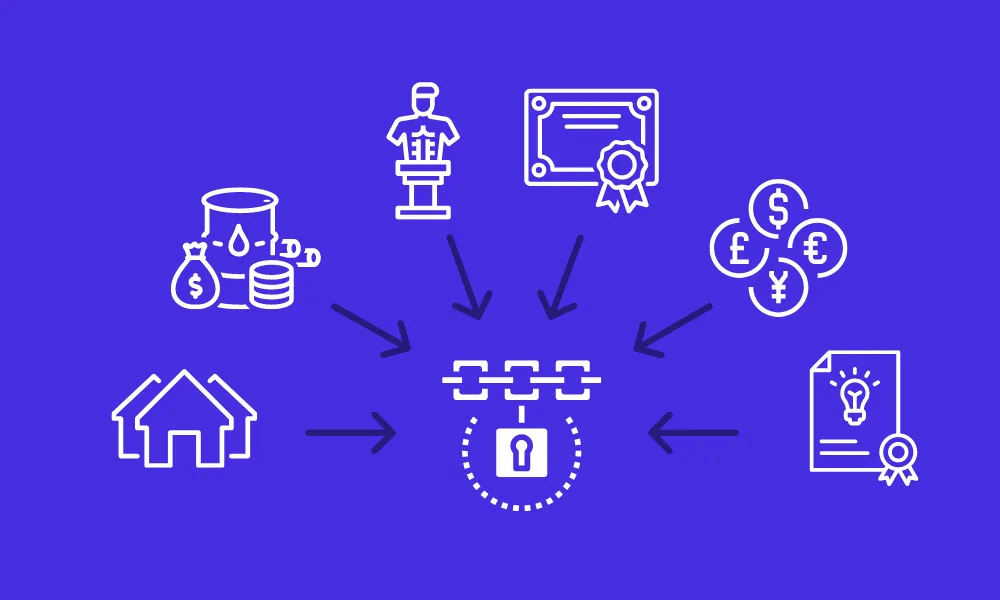
Allocators should distinguish between speculative token exposure and strategies that are built around market structure, liquidity provision, quantitative signals, or regulated tokenized securities. Those are very different investment problems.
The Next Phase
The next phase of digital asset investing will be less about novelty and more about integration. Institutional investors will expect digital asset funds to operate with the same rigor as other alternative strategies while taking advantage of blockchain-native infrastructure where it adds measurable value.