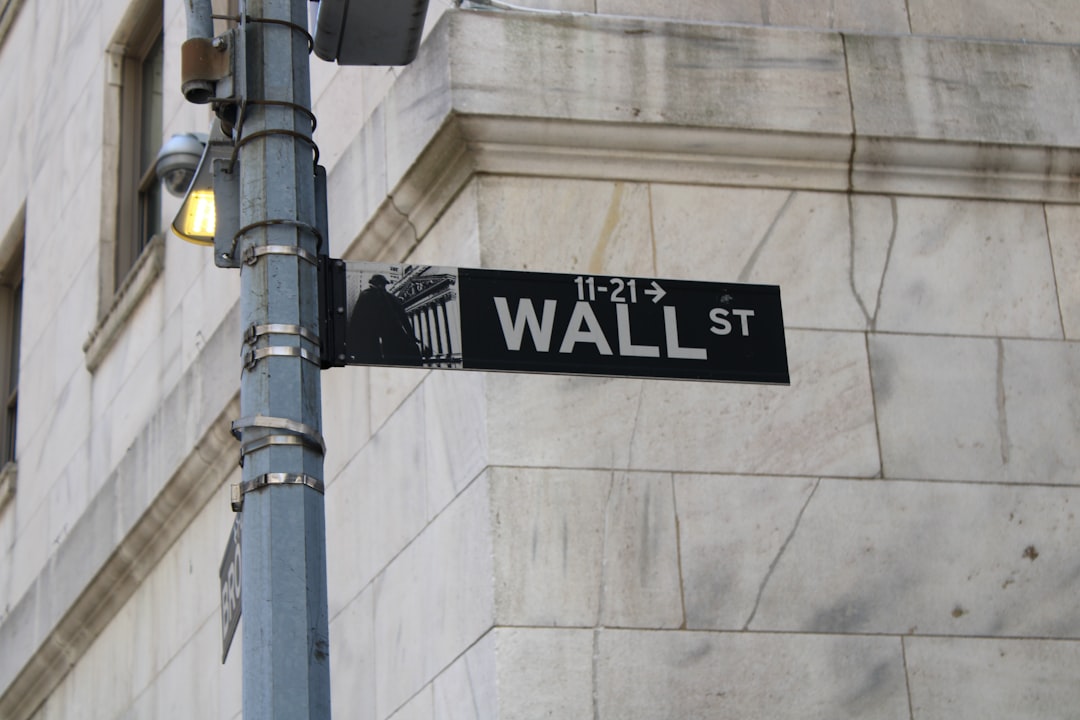
Regulated tokenized funds represent a significant evolution in the investment landscape, merging traditional finance with the innovative capabilities of blockchain technology. At their core, these funds are investment vehicles that utilize tokenization to represent ownership of assets on a blockchain. This process involves converting rights to an asset into a digital token, which can then be traded or held in a digital wallet. The regulatory aspect ensures that these funds comply with existing financial laws and regulations, providing a layer of security and legitimacy that is often absent in unregulated markets.
The concept of tokenization is not merely a technological advancement; it fundamentally alters how investors interact with assets. By breaking down traditional barriers to entry, such as high minimum investment thresholds and complex paperwork, tokenized funds democratize access to investment opportunities. Investors can buy fractions of assets, allowing for greater diversification and lower risk exposure. Furthermore, the transparency inherent in blockchain technology means that all transactions are recorded and verifiable, fostering trust among participants in the market.
Regulated tokenized funds are gaining traction as innovative investment vehicles that combine the benefits of blockchain technology with traditional finance. For a deeper understanding of how artificial intelligence is reshaping investment strategies, you can explore the article titled “Quantitative Edge: AI Transforming US Stock Investments” available at this link. This article delves into the intersection of AI and investment, highlighting the potential for enhanced decision-making in the evolving landscape of finance.
The Benefits of Investing in Regulated Tokenized Funds
Investing in regulated tokenized funds offers numerous advantages that appeal to both seasoned investors and newcomers alike. One of the most compelling benefits is liquidity. Traditional investment vehicles often suffer from illiquidity, especially in real estate or private equity markets where selling an asset can take considerable time and effort. Tokenized funds, however, can facilitate quicker transactions due to their digital nature, allowing investors to buy and sell tokens on various exchanges with relative ease.
Another significant benefit is the enhanced accessibility these funds provide. With lower minimum investment requirements, individuals who may have previously been excluded from certain asset classes can now participate. This democratization of investment opportunities enables a broader range of investors to diversify their portfolios across various asset types, including real estate, commodities, and even art. Additionally, the regulatory framework surrounding these funds ensures that investors are protected under established laws, reducing the risk of fraud and mismanagement.
How Regulated Tokenized Funds Work
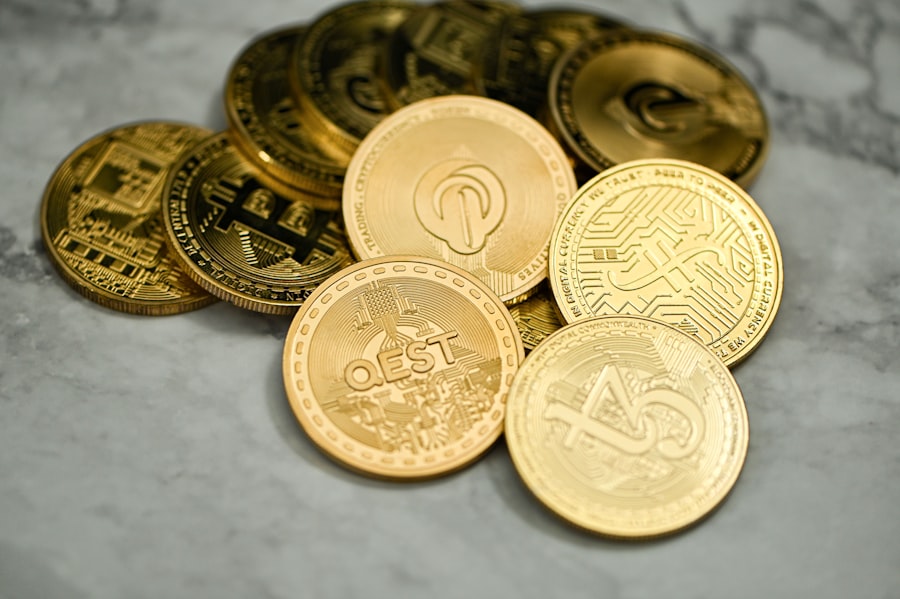
The operational mechanics of regulated tokenized funds hinge on blockchain technology and smart contracts. When an asset is tokenized, it is represented by a digital token on a blockchain platform. This token encapsulates ownership rights and can be easily transferred between parties without the need for intermediaries. Smart contracts play a crucial role in this process by automating transactions and ensuring that all conditions are met before a transfer occurs. For instance, a smart contract can stipulate that tokens can only be sold to accredited investors or that dividends will be automatically distributed to token holders.
The structure of regulated tokenized funds typically involves a fund manager who oversees the investment strategy and asset management. Investors purchase tokens representing their share in the fund, which are then recorded on the blockchain. This setup not only enhances transparency but also allows for real-time tracking of fund performance and individual holdings. Moreover, regulatory compliance is built into the fund’s architecture, ensuring that all transactions adhere to legal standards, which is particularly important in maintaining investor confidence.
The Risks Associated with Regulated Tokenized Funds

While regulated tokenized funds present numerous advantages, they are not without risks. One primary concern is the volatility associated with cryptocurrencies and digital assets. The value of tokens can fluctuate significantly based on market conditions, investor sentiment, and regulatory news. This volatility can lead to substantial gains but also considerable losses, making it essential for investors to conduct thorough research and understand their risk tolerance before investing.
Another risk factor is the potential for regulatory changes that could impact the operation of tokenized funds. As governments around the world grapple with how to regulate digital assets, new laws could emerge that alter the landscape significantly. For instance, stricter regulations could limit the types of assets that can be tokenized or impose additional compliance burdens on fund managers. Additionally, while regulated tokenized funds offer more security than unregulated options, they are still susceptible to cybersecurity threats. Investors must remain vigilant about the platforms they use and ensure that robust security measures are in place to protect their investments.
In the evolving landscape of finance, regulated tokenized funds are gaining significant attention for their potential to enhance liquidity and accessibility. A recent article discusses the implications of these innovative investment vehicles and how they can reshape traditional asset management. For a deeper understanding of this topic, you can explore the insights provided in this related article, which highlights the benefits and challenges associated with tokenization in the financial sector.
Regulation and Compliance in Regulated Tokenized Funds
| Metric | Description | Typical Range | Notes |
|---|---|---|---|
| Fund Size | Total assets under management in the tokenized fund | 10 million – 1 billion | Varies widely depending on fund strategy and investor base |
| Tokenization Percentage | Portion of the fund’s assets represented by tokens | 50% – 100% | Some funds tokenize only a portion of assets for liquidity |
| Regulatory Compliance | Compliance with securities regulations (e.g., SEC, FCA) | 100% | Mandatory for regulated tokenized funds |
| Liquidity | Frequency and ease of trading fund tokens | Daily to monthly | Depends on secondary market availability and fund rules |
| Management Fee | Annual fee charged by fund managers | 0.5% – 2% | Comparable to traditional funds |
| Performance Fee | Fee based on fund performance above a benchmark | 10% – 20% | Incentivizes fund managers |
| Minimum Investment | Minimum amount required to invest in the tokenized fund | 1,000 – 50,000 | Lower than traditional funds due to fractional ownership |
| Settlement Time | Time taken to settle token transactions | Minutes to hours | Faster than traditional fund settlements |
The regulatory framework governing regulated tokenized funds is crucial for ensuring investor protection and market integrity. These funds must comply with existing securities laws, which vary by jurisdiction but generally require registration with financial authorities and adherence to strict reporting standards. This compliance helps mitigate risks associated with fraud and mismanagement while fostering a more stable investment environment.
In many jurisdictions, regulated tokenized funds are required to undergo regular audits and provide transparent disclosures about their operations and performance. This level of oversight not only builds trust among investors but also enhances the credibility of the entire tokenized fund ecosystem. Furthermore, regulatory bodies are increasingly focusing on anti-money laundering (AML) and know-your-customer (KYC) requirements to prevent illicit activities within the market. By implementing these measures, regulated tokenized funds can operate within a framework that prioritizes both innovation and investor safety.
The emergence of regulated tokenized funds is transforming the landscape of investment opportunities, offering enhanced liquidity and accessibility for investors. As the financial industry continues to adapt to technological advancements, understanding the implications of these changes is crucial. For a deeper insight into how digital assets are reshaping traditional investment markets, you can explore this informative article on the topic. It provides valuable perspectives on the ongoing tokenization revolution and its impact on investment strategies. Check it out here.
Different Types of Regulated Tokenized Funds
Explore investment opportunities with the Tokenized Crypto Fund for diversified digital asset exposure.
Regulated tokenized funds come in various forms, each catering to different investment strategies and asset classes. One common type is real estate tokenized funds, which allow investors to purchase fractional ownership in properties or real estate portfolios through digital tokens. This model not only provides access to lucrative real estate markets but also enables diversification across multiple properties without the need for substantial capital.
Another category includes equity tokenized funds that focus on representing shares in private companies or startups. These funds enable investors to gain exposure to high-growth potential businesses that may not be accessible through traditional public markets. Additionally, there are commodity-backed tokenized funds that allow investors to hold tokens representing physical assets like gold or oil, providing a hedge against inflation and market volatility.
How to Choose the Right Regulated Tokenized Fund for You
Selecting the appropriate regulated tokenized fund requires careful consideration of several factors tailored to individual investment goals and risk tolerance. First and foremost, investors should assess their financial objectives—whether they seek capital appreciation, income generation through dividends, or diversification across asset classes. Understanding personal investment goals will help narrow down options significantly.
Next, it is essential to evaluate the fund manager’s track record and expertise in managing similar assets. A reputable fund manager with a history of successful investments can provide confidence in the fund’s potential performance. Additionally, examining the fund’s fee structure is crucial; while lower fees may seem attractive, they should not come at the expense of quality management or performance potential. Finally, conducting thorough due diligence on the underlying assets within the fund will provide insights into potential risks and rewards associated with investing in that particular vehicle.
The Future of Regulated Tokenized Funds
The future of regulated tokenized funds appears promising as technological advancements continue to reshape the financial landscape. As blockchain technology matures and becomes more widely adopted, we can expect increased efficiency in fund operations and enhanced investor experiences. The integration of artificial intelligence (AI) and machine learning into fund management processes may further optimize investment strategies by analyzing vast amounts of data for better decision-making.
Moreover, as regulatory frameworks evolve to accommodate this new asset class, we may see broader acceptance among institutional investors who have historically been cautious about digital assets. The potential for tokenization to revolutionize illiquid markets—such as real estate or private equity—could lead to increased capital flows into these sectors as barriers to entry diminish. As more investors recognize the benefits of regulated tokenized funds, we may witness a shift in how wealth is created and distributed across various demographics.
Comparing Regulated Tokenized Funds to Traditional Investment Options
When comparing regulated tokenized funds to traditional investment options, several key differences emerge that highlight the advantages of tokenization. Traditional mutual funds or hedge funds often require significant minimum investments and involve lengthy subscription processes filled with paperwork. In contrast, regulated tokenized funds typically allow for smaller investments through fractional ownership, making them more accessible to a broader audience.
Additionally, traditional investment vehicles often lack transparency regarding fees and performance metrics. In contrast, regulated tokenized funds leverage blockchain technology to provide real-time visibility into fund performance and transaction history. This transparency fosters trust among investors who can easily track their investments without relying solely on periodic reports from fund managers.
Tax Implications of Investing in Regulated Tokenized Funds
Investing in regulated tokenized funds carries specific tax implications that vary by jurisdiction and individual circumstances. Generally speaking, capital gains tax applies when an investor sells their tokens for a profit; however, the rate may differ based on how long the tokens were held before sale—short-term versus long-term capital gains tax rates may apply depending on local laws.
Moreover, income generated from dividends or interest payments associated with token holdings may also be subject to taxation. Investors should consult with tax professionals familiar with cryptocurrency regulations in their jurisdiction to ensure compliance and optimize their tax strategies effectively. Understanding these implications is crucial for making informed investment decisions and maximizing returns while minimizing tax liabilities.
Tips for Successfully Investing in Regulated Tokenized Funds
To navigate the world of regulated tokenized funds successfully, investors should adopt a strategic approach grounded in research and due diligence. First and foremost, it is vital to stay informed about market trends and developments within the blockchain space as this rapidly evolving sector can significantly impact investment opportunities.
Additionally, diversifying across multiple regulated tokenized funds can help mitigate risks associated with individual investments while enhancing overall portfolio performance. Investors should also consider setting clear investment goals—whether short-term gains or long-term wealth accumulation—and regularly reassess their strategies based on changing market conditions or personal circumstances.
Finally, engaging with communities focused on blockchain technology and tokenization can provide valuable insights into emerging trends and best practices within this innovative investment landscape. By leveraging knowledge from experienced investors and industry experts alike, individuals can position themselves for success in this dynamic market environment.
FAQs
What are regulated tokenized funds?
Regulated tokenized funds are investment funds that have been digitized using blockchain technology and comply with relevant financial regulations. These funds issue digital tokens representing shares or units of the fund, allowing investors to buy, sell, and trade fund interests securely and transparently.
How do regulated tokenized funds differ from traditional investment funds?
Unlike traditional funds, regulated tokenized funds use blockchain to tokenize fund shares, enabling faster settlement, increased liquidity, and fractional ownership. They also adhere to regulatory standards, ensuring investor protection and compliance with securities laws.
What are the benefits of investing in regulated tokenized funds?
Investors benefit from enhanced transparency, improved liquidity, lower transaction costs, and easier access to global markets. Tokenization also allows for fractional investments, making it possible to invest smaller amounts compared to traditional funds.
Are regulated tokenized funds safe and compliant?
Yes, these funds operate under strict regulatory frameworks designed to protect investors. They undergo compliance checks, adhere to anti-money laundering (AML) and know-your-customer (KYC) requirements, and are subject to oversight by financial authorities.
How can investors purchase shares in regulated tokenized funds?
Investors typically purchase tokens through authorized platforms or exchanges that support regulated tokenized funds. They must complete necessary compliance procedures such as KYC verification before acquiring tokens representing fund shares.