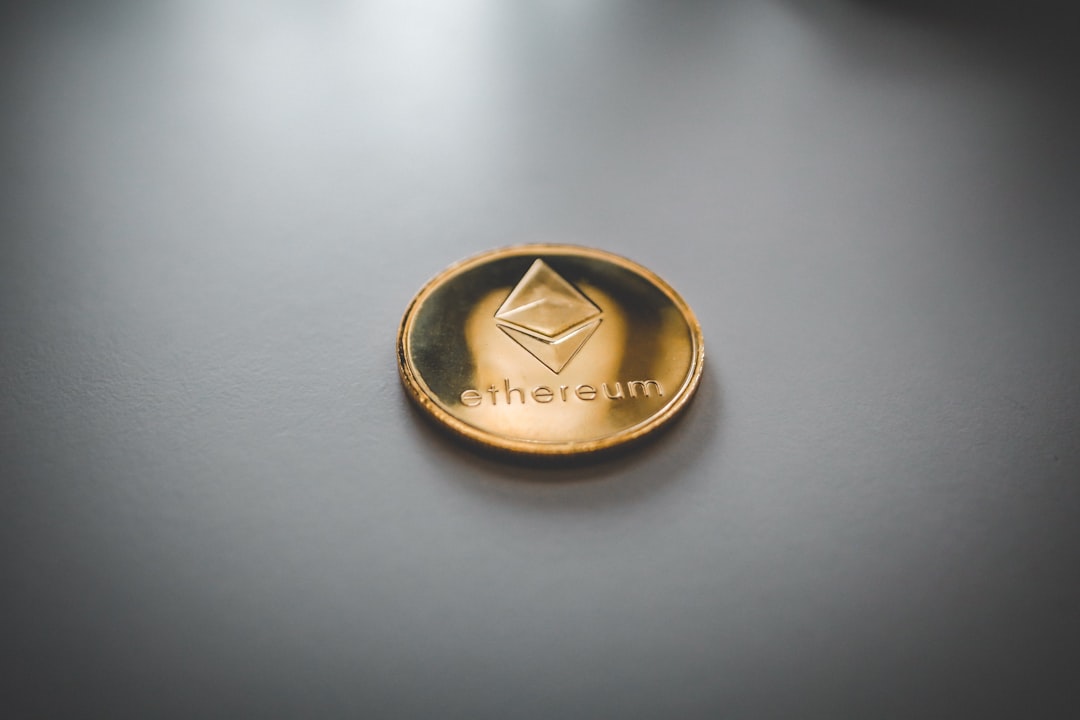
Tokenized venture funds represent a transformative shift in the landscape of investment, merging the traditional principles of venture capital with the innovative capabilities of blockchain technology. At their core, these funds utilize digital tokens to represent ownership stakes in a venture capital fund, allowing for fractional ownership and increased liquidity. This model not only democratizes access to investment opportunities but also enhances transparency and efficiency in the fundraising process. As the financial ecosystem evolves, tokenized venture funds are emerging as a compelling alternative to conventional investment vehicles, attracting a diverse range of investors eager to capitalize on the burgeoning startup economy.
The concept of tokenization is rooted in the ability to convert real-world assets into digital tokens that can be easily traded on blockchain platforms. This process allows for the creation of a more inclusive investment environment, where individuals who may have previously been excluded from venture capital opportunities can now participate. By lowering the barriers to entry, tokenized venture funds are poised to reshape how capital is raised and allocated, fostering innovation and entrepreneurship in ways that were previously unimaginable.
Tokenized venture funds are revolutionizing the way investors access private equity opportunities, allowing for greater liquidity and diversification. For a deeper understanding of this innovative financial model, you can read more about it in the article found at Savanti Investments, which explores the implications and benefits of tokenization in the venture capital landscape.
The Benefits of Tokenized Venture Funds
One of the most significant advantages of tokenized venture funds is their ability to provide liquidity in an otherwise illiquid market. Traditional venture capital investments often require a long-term commitment, with funds locked up for several years before any returns can be realized. In contrast, tokenized funds allow investors to buy and sell their tokens on secondary markets, enabling them to exit their investments more readily. This increased liquidity can attract a broader range of investors, including those who may be hesitant to commit large sums of money for extended periods.
Moreover, tokenized venture funds enhance transparency and accountability. Blockchain technology records every transaction on a public ledger, providing an immutable record of ownership and fund performance. This transparency can help build trust among investors, as they can easily verify the fund’s activities and track their investments in real-time. Additionally, the use of smart contracts—self-executing contracts with the terms of the agreement directly written into code—can automate various processes within the fund, reducing administrative overhead and minimizing the potential for human error.
How Tokenization is Disrupting Traditional Venture Funds

Tokenization is fundamentally altering the dynamics of traditional venture capital by introducing new mechanisms for fundraising and investment management. In conventional models, venture capitalists often rely on personal networks and established relationships to source deals, which can limit access to high-potential startups. Tokenized venture funds, however, leverage online platforms to reach a global audience of investors, democratizing access to investment opportunities and enabling startups to tap into a wider pool of capital.
This disruption extends beyond fundraising; it also impacts how investments are managed and monitored. Traditional venture capitalists typically conduct extensive due diligence and maintain close relationships with portfolio companies. In contrast, tokenized funds can utilize data analytics and blockchain technology to streamline these processes. For instance, real-time data on market trends and company performance can be integrated into the fund’s operations, allowing for more informed decision-making and agile responses to changing market conditions.
The Role of Blockchain Technology in Tokenized Venture Funds

Blockchain technology serves as the backbone of tokenized venture funds, providing the infrastructure necessary for secure and efficient transactions. By utilizing decentralized ledgers, blockchain ensures that all transactions are transparent and tamper-proof, which is crucial for maintaining investor confidence. Each token issued by a venture fund is recorded on the blockchain, allowing for easy tracking of ownership and facilitating seamless transfers between investors.
Furthermore, blockchain enables the implementation of smart contracts that automate various aspects of fund management. For example, profit distribution can be programmed into a smart contract, ensuring that returns are distributed automatically based on predefined criteria. This not only reduces administrative burdens but also enhances trust among investors, as they can be assured that distributions will occur as promised without the need for intermediaries.
Tokenized venture funds are gaining traction as a revolutionary way to democratize access to investment opportunities. These funds leverage blockchain technology to create digital tokens that represent shares in a venture capital fund, allowing a broader range of investors to participate. For a deeper understanding of the implications and benefits of this innovative approach, you can read more in this insightful article about Savanti Investments. By exploring how tokenization can enhance liquidity and transparency in venture funding, it becomes clear that this trend is reshaping the investment landscape. For further details, check out the article here.
The Potential Risks and Challenges of Tokenized Venture Funds
| Metric | Description | Typical Range / Value | Notes |
|---|---|---|---|
| Fund Size | Total capital raised by the tokenized venture fund | 1M – 100M | Varies widely depending on fund focus and investor base |
| Token Supply | Number of tokens issued representing fund shares | 10,000 – 1,000,000 tokens | Determined by fund structure and tokenomics |
| Token Price at Launch | Initial price per token during fundraising | 1 – 100 | Depends on fund valuation and investor demand |
| Management Fee | Annual fee charged by fund managers | 1% – 2.5% | Similar to traditional venture funds |
| Performance Fee (Carry) | Percentage of profits allocated to managers | 15% – 25% | Incentivizes fund performance |
| Liquidity | Ability to trade tokens on secondary markets | Variable | Depends on exchange listings and demand |
| Minimum Investment | Smallest amount required to participate | 500 – 10,000 | Lower than traditional funds due to tokenization |
| Investment Horizon | Typical duration before returns are realized | 5 – 10 years | Aligned with traditional venture capital timelines |
| Regulatory Compliance | Legal frameworks governing token issuance | SEC, FCA, etc. | Varies by jurisdiction and fund structure |
Despite their numerous advantages, tokenized venture funds are not without risks and challenges. One significant concern is the regulatory uncertainty surrounding digital assets and blockchain technology. As governments around the world grapple with how to classify and regulate cryptocurrencies and tokenized assets, venture funds operating in this space may face legal hurdles that could impact their operations. Compliance with existing securities laws is paramount, and failure to adhere to these regulations could result in severe penalties or restrictions on fundraising activities.
Additionally, the volatility associated with cryptocurrencies poses a risk for tokenized venture funds. The value of tokens can fluctuate dramatically based on market sentiment, which may not accurately reflect the underlying value of the investments held by the fund. This volatility can deter potential investors who are wary of price swings that could affect their returns. Furthermore, the nascent nature of blockchain technology means that security vulnerabilities may exist, exposing funds to potential hacks or fraud.
Tokenized venture funds are revolutionizing the investment landscape by allowing for greater accessibility and liquidity in private equity markets. For those interested in exploring this innovative approach further, a related article can be found at Savanti Investments, which discusses the implications and benefits of tokenization in venture capital. This shift not only democratizes investment opportunities but also enhances transparency and efficiency in fund management.
The Regulatory Landscape for Tokenized Venture Funds
Explore investment opportunities with the Tokenized Crypto Fund for diversified digital asset exposure.
Navigating the regulatory landscape is one of the most critical challenges facing tokenized venture funds. In many jurisdictions, securities laws apply to token offerings, requiring funds to register with regulatory bodies or qualify for exemptions. The U.S. Securities and Exchange Commission (SEC), for instance, has taken a cautious approach to regulating digital assets, emphasizing investor protection while also fostering innovation in the financial sector.
Different countries have adopted varying stances on tokenization; some have embraced it with open arms, while others have imposed strict regulations or outright bans. For example, countries like Switzerland have established clear frameworks for Initial Coin Offerings (ICOs) and tokenized assets, creating an environment conducive to innovation. Conversely, nations such as China have implemented stringent restrictions on cryptocurrency trading and fundraising activities. As tokenized venture funds seek to operate across borders, understanding and complying with these diverse regulatory environments becomes paramount.
The Impact of Tokenized Venture Funds on Startup Financing
Tokenized venture funds are poised to revolutionize startup financing by providing entrepreneurs with access to a broader range of funding sources. Traditional venture capital often favors established networks and relationships, which can disadvantage innovative startups that lack connections in the industry. Tokenization levels the playing field by allowing startups to reach a global audience of potential investors through online platforms.
Moreover, the ability to offer fractional ownership through tokens enables startups to raise smaller amounts from a larger number of investors. This approach not only diversifies funding sources but also fosters community engagement among investors who may feel more connected to a startup when they hold a stake in its success. As a result, tokenized venture funds can facilitate a more inclusive ecosystem where diverse ideas and innovations can thrive.
The Future of Investment: Tokenized Venture Funds
The future of investment is likely to be heavily influenced by the rise of tokenized venture funds as they continue to gain traction in the financial landscape. As technology advances and regulatory frameworks evolve, these funds may become increasingly mainstream, attracting institutional investors alongside retail participants. The potential for enhanced liquidity, transparency, and accessibility positions tokenized venture funds as a viable alternative to traditional investment vehicles.
Furthermore, as more successful case studies emerge demonstrating the efficacy of tokenization in venture capital, investor confidence is likely to grow. This could lead to an influx of capital into tokenized funds, further fueling innovation and entrepreneurship across various sectors. The integration of artificial intelligence and machine learning into investment strategies may also enhance decision-making processes within these funds, allowing for more precise targeting of high-potential startups.
How Investors Can Participate in Tokenized Venture Funds
Investors interested in participating in tokenized venture funds have several avenues available to them. Many platforms now facilitate access to these funds by allowing individuals to purchase tokens representing shares in various ventures directly through their websites or mobile applications. These platforms often provide detailed information about each fund’s investment strategy, portfolio companies, and performance metrics, enabling investors to make informed decisions.
Additionally, some tokenized venture funds may require investors to meet certain criteria or undergo verification processes before participating. This could include demonstrating accredited investor status or completing Know Your Customer (KYC) procedures to comply with regulatory requirements. As interest in tokenization grows, it is likely that more user-friendly platforms will emerge, simplifying the onboarding process for new investors while maintaining compliance with applicable laws.
Case Studies of Successful Tokenized Venture Funds
Several case studies illustrate the potential success of tokenized venture funds in reshaping investment landscapes. One notable example is Blockchain Capital, which launched its own token (BCAP) in 2017 as part of its fundraising efforts. By leveraging blockchain technology, Blockchain Capital was able to raise $10 million within minutes during its initial coin offering (ICO). The fund’s structure allowed investors to trade their tokens on secondary markets while benefiting from exposure to a diversified portfolio of blockchain-related startups.
Another example is Spice VC, which focuses on investing in early-stage technology companies through its tokenized fund model. Spice VC utilizes blockchain technology not only for fundraising but also for managing investor relations and distributing profits through smart contracts. This innovative approach has attracted attention from both retail and institutional investors looking for exposure to high-growth sectors while benefiting from the advantages offered by tokenization.
The Advantages and Limitations of Tokenized Venture Funds
Tokenized venture funds present a compelling opportunity for both investors and entrepreneurs by democratizing access to capital while enhancing transparency and liquidity in investment processes. However, they also come with inherent risks related to regulatory compliance and market volatility that must be carefully navigated. As this innovative model continues to evolve within an increasingly complex financial landscape, it will be essential for stakeholders to remain informed about developments in technology and regulation while exploring new avenues for growth and collaboration in this exciting frontier of investment.
FAQs
What are tokenized venture funds?
Tokenized venture funds are investment funds that use blockchain technology to issue digital tokens representing shares or interests in the fund. These tokens can be bought, sold, or traded on digital platforms, providing greater liquidity and accessibility compared to traditional venture capital funds.
How do tokenized venture funds work?
Tokenized venture funds work by converting ownership stakes in the fund into digital tokens on a blockchain. Investors purchase these tokens, which represent their proportional share of the fund’s assets and returns. The blockchain ensures transparency, security, and ease of transfer for these tokens.
What are the benefits of investing in tokenized venture funds?
Benefits include increased liquidity, as tokens can be traded on secondary markets; lower barriers to entry, allowing smaller investors to participate; enhanced transparency through blockchain records; and faster settlement times compared to traditional fund investments.
Are tokenized venture funds regulated?
Regulation of tokenized venture funds varies by jurisdiction. Many countries treat these tokens as securities, subjecting them to securities laws and regulations. Fund managers must comply with relevant legal requirements, including investor accreditation and disclosure obligations.
What risks are associated with tokenized venture funds?
Risks include market volatility of the tokens, regulatory uncertainty, potential cybersecurity threats, and the inherent risks of venture capital investing such as illiquidity of underlying assets and the possibility of loss. Investors should conduct thorough due diligence before investing.