Digital asset funds have emerged as a significant player in the investment landscape, particularly in the wake of the cryptocurrency boom. These funds primarily invest in digital assets such as cryptocurrencies, tokens, and blockchain-based projects, offering investors exposure to a rapidly evolving market. The rise of digital asset funds can be attributed to the increasing acceptance of cryptocurrencies as a legitimate asset class, driven by institutional interest and technological advancements. As traditional financial systems grapple with the implications of decentralized finance (DeFi) and blockchain technology, digital asset funds provide a unique opportunity for investors seeking high returns in a volatile environment.
The structure of digital asset funds can vary widely, encompassing hedge funds, venture capital funds, and exchange-traded funds (ETFs). Each type of fund has its own investment strategy, risk profile, and regulatory framework. Hedge funds may employ aggressive trading strategies, while venture capital funds focus on early-stage blockchain startups. ETFs, on the other hand, offer a more passive investment approach by tracking the performance of a specific index of digital assets. As the market matures, understanding the nuances of these different fund types becomes crucial for investors looking to navigate the complexities of digital asset investments.
In the ever-evolving landscape of digital assets, understanding the dynamics of investment funds is crucial for both seasoned and novice investors. A related article that delves into the intricacies of leading digital assets funds can be found at Savanti Investments. This resource provides valuable insights into the strategies and performance metrics of top-performing funds, helping investors make informed decisions in the burgeoning digital asset market.
Understanding High Returns in Digital Asset Funds
The allure of high returns is one of the primary reasons investors are drawn to digital asset funds. Historically, cryptocurrencies like Bitcoin and Ethereum have demonstrated remarkable price appreciation, often outpacing traditional asset classes such as stocks and bonds. For instance, Bitcoin’s meteoric rise from a few cents in 2010 to over $60,000 in 2021 exemplifies the potential for substantial gains within this sector. Digital asset funds capitalize on this volatility by employing various trading strategies that aim to maximize returns while managing risk.
High returns in digital asset funds can also be attributed to the innovative nature of blockchain technology and its applications across various industries. Many funds invest in projects that leverage decentralized finance, non-fungible tokens (NFTs), and other emerging technologies that promise to disrupt traditional business models. For example, funds that focus on DeFi projects have seen significant returns as these platforms gain traction and attract users seeking alternatives to conventional banking services. However, it is essential to recognize that while the potential for high returns exists, it is accompanied by equally high risks, necessitating a thorough understanding of market dynamics.
Factors to Consider When Choosing a Digital Asset Fund

Selecting the right digital asset fund requires careful consideration of several factors that can significantly impact investment outcomes. One of the most critical aspects is the fund’s investment strategy. Different funds may focus on various segments of the digital asset market, such as large-cap cryptocurrencies, altcoins, or blockchain startups. Investors should align their risk tolerance and investment goals with the fund’s strategy to ensure compatibility.
Another vital factor is the fund manager’s experience and track record. A seasoned manager with a proven history in digital asset investments can provide valuable insights and expertise that enhance the fund’s performance. Investors should research the manager’s background, including their previous successes and failures in the space. Additionally, transparency regarding the fund’s operations, fees, and performance metrics is essential for building trust and ensuring informed decision-making.
Top Performing Digital Asset Funds
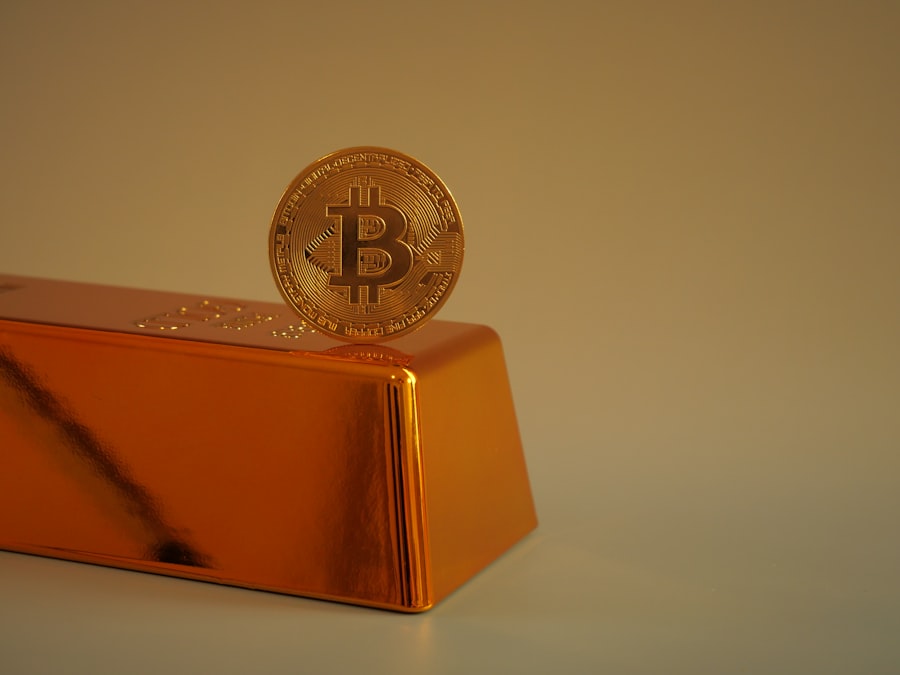
As the digital asset landscape continues to evolve, several funds have distinguished themselves through exceptional performance and innovative strategies. One notable example is Pantera Capital, which has been at the forefront of cryptocurrency investment since its inception in 2013. The firm has consistently delivered impressive returns by focusing on early-stage blockchain projects and actively managing its portfolio to capitalize on market trends.
Another standout is Grayscale Investments, known for its Bitcoin Trust (GBTC), which allows institutional investors to gain exposure to Bitcoin without directly purchasing the cryptocurrency. Grayscale has garnered significant attention for its ability to attract large inflows from institutional clients, further legitimizing Bitcoin as an investment vehicle. The success of these funds highlights the potential for substantial returns in the digital asset space while underscoring the importance of selecting well-managed funds with a clear investment thesis.
As the landscape of investment continues to evolve, many are turning their attention to leading digital assets funds, which are becoming increasingly popular among institutional investors. A recent article discusses how these funds are shaping the future of finance and highlights the potential benefits and risks associated with this innovative approach. For more insights on this topic, you can read the article on digital assets and their impact on financial innovation here.
Risk Management Strategies in Digital Asset Funds
| Fund Name | Assets Under Management (AUM) | Inception Year | Management Fee (%) | Performance Fee (%) | Primary Investment Focus | Geographic Focus |
|---|---|---|---|---|---|---|
| Grayscale Bitcoin Trust | 30 Billion | 2013 | 2.0 | 0 | Bitcoin | Global |
| Pantera Capital Digital Asset Fund | 1.5 Billion | 2013 | 2.0 | 20 | Cryptocurrencies & Blockchain | Global |
| Galaxy Digital Fund | 1.2 Billion | 2018 | 2.0 | 20 | Digital Assets & Blockchain | Global |
| Bitwise 10 Crypto Index Fund | 800 Million | 2017 | 2.5 | 0 | Top 10 Cryptocurrencies | Global |
| CoinShares Digital Asset Fund | 600 Million | 2015 | 1.5 | 15 | Cryptocurrency Investments | Europe & Global |
Risk management is paramount in the realm of digital asset funds due to the inherent volatility and unpredictability of the market. Effective risk management strategies can help mitigate potential losses while maximizing returns. One common approach is diversification across various digital assets and sectors within the blockchain ecosystem. By spreading investments across multiple assets, funds can reduce their exposure to any single asset’s price fluctuations.
Another critical strategy involves employing stop-loss orders and position sizing techniques. Stop-loss orders automatically sell an asset when it reaches a predetermined price, helping to limit losses during market downturns. Position sizing refers to determining the appropriate amount of capital to allocate to each investment based on its risk profile. By carefully managing position sizes, fund managers can protect their portfolios from significant drawdowns while maintaining exposure to high-potential assets.
Diversification in Digital Asset Funds
Explore investment opportunities with the Tokenized Crypto Fund for diversified digital asset exposure.
Diversification is a fundamental principle in investment strategy that holds particular significance in the context of digital asset funds. Given the volatile nature of cryptocurrencies and blockchain projects, diversifying across different assets can help smooth out returns and reduce overall portfolio risk. A well-diversified digital asset fund may include a mix of established cryptocurrencies like Bitcoin and Ethereum alongside smaller altcoins and emerging blockchain projects.
Moreover, diversification can extend beyond just different cryptocurrencies; it can also encompass various sectors within the blockchain ecosystem. For instance, some funds may invest in DeFi protocols, NFT marketplaces, or infrastructure projects that support blockchain technology. By diversifying across these sectors, funds can capitalize on different growth trends while minimizing exposure to sector-specific risks. This multifaceted approach allows investors to benefit from the broader potential of the digital asset market while safeguarding their investments against unforeseen downturns.
Investment Strategies for High Returns in Digital Asset Funds
To achieve high returns in digital asset funds, managers often employ a range of investment strategies tailored to capitalize on market opportunities. One prevalent strategy is active trading, where fund managers frequently buy and sell assets based on market trends and technical analysis. This approach requires a deep understanding of market dynamics and can yield significant returns during bullish market conditions.
Another strategy gaining traction is long-term holding or “HODLing,” where investors acquire digital assets with the intention of holding them for an extended period. This strategy is based on the belief that certain cryptocurrencies will appreciate significantly over time as adoption increases and technological advancements occur. Funds that adopt this strategy often focus on established cryptocurrencies with strong fundamentals and robust use cases.
Evaluating the Track Record of Digital Asset Funds
When considering an investment in a digital asset fund, evaluating its track record is crucial for assessing its potential for future performance. A fund’s historical returns can provide valuable insights into its ability to navigate market fluctuations and generate consistent gains over time. Investors should examine not only the overall performance but also how the fund has performed during different market cycles—bull markets, bear markets, and periods of high volatility.
Additionally, understanding how a fund’s performance compares to relevant benchmarks or indices can help gauge its effectiveness relative to the broader market. For instance, if a fund consistently outperforms major cryptocurrency indices during bullish phases but underperforms during downturns, it may indicate a lack of effective risk management strategies. A comprehensive evaluation of a fund’s track record should also consider factors such as volatility measures, drawdowns, and consistency in achieving stated investment objectives.
Regulatory Considerations for Digital Asset Funds
The regulatory landscape surrounding digital asset funds is complex and continually evolving as governments worldwide grapple with how to classify and regulate cryptocurrencies and related investments. Investors must be aware of these regulatory considerations when choosing a digital asset fund, as compliance with local laws can significantly impact a fund’s operations and legitimacy.
In many jurisdictions, regulatory bodies are increasingly scrutinizing digital asset funds to ensure investor protection and market integrity. For example, in the United States, the Securities and Exchange Commission (SEC) has taken steps to regulate certain cryptocurrency offerings as securities, which could affect how funds operate and raise capital. Understanding these regulatory frameworks is essential for investors seeking to navigate potential legal risks associated with their investments.
Comparing Fees and Expenses in Digital Asset Funds
Fees and expenses associated with digital asset funds can vary significantly depending on the fund’s structure and management style. Common fees include management fees, performance fees, and transaction costs associated with buying and selling assets within the fund’s portfolio. Investors should carefully review these fees as they can erode overall returns over time.
Management fees are typically charged as a percentage of assets under management (AUM) and can range from 1% to 2% annually for many funds. Performance fees are often calculated based on profits generated above a certain benchmark or hurdle rate; these fees can incentivize fund managers to pursue higher returns but may also lead to increased risk-taking behavior. Additionally, transaction costs incurred during trading activities can add up quickly in highly volatile markets like cryptocurrencies. Therefore, understanding the fee structure is crucial for making informed investment decisions.
Making Informed Decisions in Digital Asset Fund Investments
Investing in digital asset funds presents both opportunities and challenges for investors seeking exposure to this dynamic market. By understanding key concepts such as high returns potential, risk management strategies, diversification techniques, and regulatory considerations, investors can make informed decisions that align with their financial goals. Evaluating a fund’s track record and fee structure further enhances an investor’s ability to select suitable options within this rapidly evolving landscape.
As digital assets continue to gain traction among institutional investors and mainstream audiences alike, staying informed about market trends and developments will be essential for navigating this complex environment successfully. With careful research and strategic planning, investors can harness the potential of digital asset funds while managing associated risks effectively.
FAQs
What are digital asset funds?
Digital asset funds are investment vehicles that pool capital to invest primarily in digital assets such as cryptocurrencies, tokens, and blockchain-based securities. These funds aim to provide investors with exposure to the digital asset market while managing risk through professional management.
Who typically manages leading digital asset funds?
Leading digital asset funds are usually managed by experienced investment firms or asset managers with expertise in blockchain technology, cryptocurrency markets, and digital asset valuation. These managers employ strategies to optimize returns and mitigate risks associated with digital assets.
What types of digital assets do these funds invest in?
These funds commonly invest in a variety of digital assets including major cryptocurrencies like Bitcoin and Ethereum, altcoins, security tokens, and sometimes blockchain-based derivatives. The specific asset allocation depends on the fund’s investment strategy and risk profile.
How do digital asset funds differ from traditional investment funds?
Digital asset funds differ primarily in their underlying assets, focusing on digital and blockchain-based assets rather than traditional stocks, bonds, or commodities. They also face unique regulatory, liquidity, and volatility considerations due to the nascent and rapidly evolving nature of the digital asset market.
What are the risks associated with investing in digital asset funds?
Investing in digital asset funds carries risks such as high market volatility, regulatory uncertainty, cybersecurity threats, and potential liquidity constraints. Investors should carefully assess these risks and consider their own risk tolerance before investing in digital asset funds.