Digital assets have emerged as a transformative force in the financial landscape, reshaping how individuals and institutions perceive value, ownership, and investment. Defined broadly, digital assets encompass cryptocurrencies, tokens, and other forms of digital representations of value that exist on blockchain technology. The rise of these assets has been fueled by a confluence of technological advancements, increasing acceptance among mainstream financial institutions, and a growing desire for decentralized alternatives to traditional financial systems. As the world becomes more digitized, the relevance of digital assets continues to expand, prompting investors to explore their potential for diversification and returns.
The allure of digital assets lies not only in their potential for high returns but also in their ability to provide a hedge against inflation and economic instability. Unlike traditional currencies, many cryptocurrencies are designed to be deflationary or have capped supplies, making them attractive in times of monetary expansion. Furthermore, the decentralized nature of blockchain technology offers a level of transparency and security that is often lacking in conventional financial systems. As hedge funds and institutional investors increasingly allocate capital to digital assets, understanding the nuances of various cryptocurrencies becomes essential for navigating this complex and rapidly evolving market.
For those interested in exploring how hedge funds are adapting to the evolving landscape of digital assets, a related article can provide valuable insights. The article discusses the strategies that hedge funds are employing to capitalize on market cycles and global shifts, highlighting the importance of innovation in investment approaches. You can read more about this topic in the article titled “Hedge Funds Adapting to Global Shifts and Capitalizing on Market Cycles” available at this link.
Bitcoin
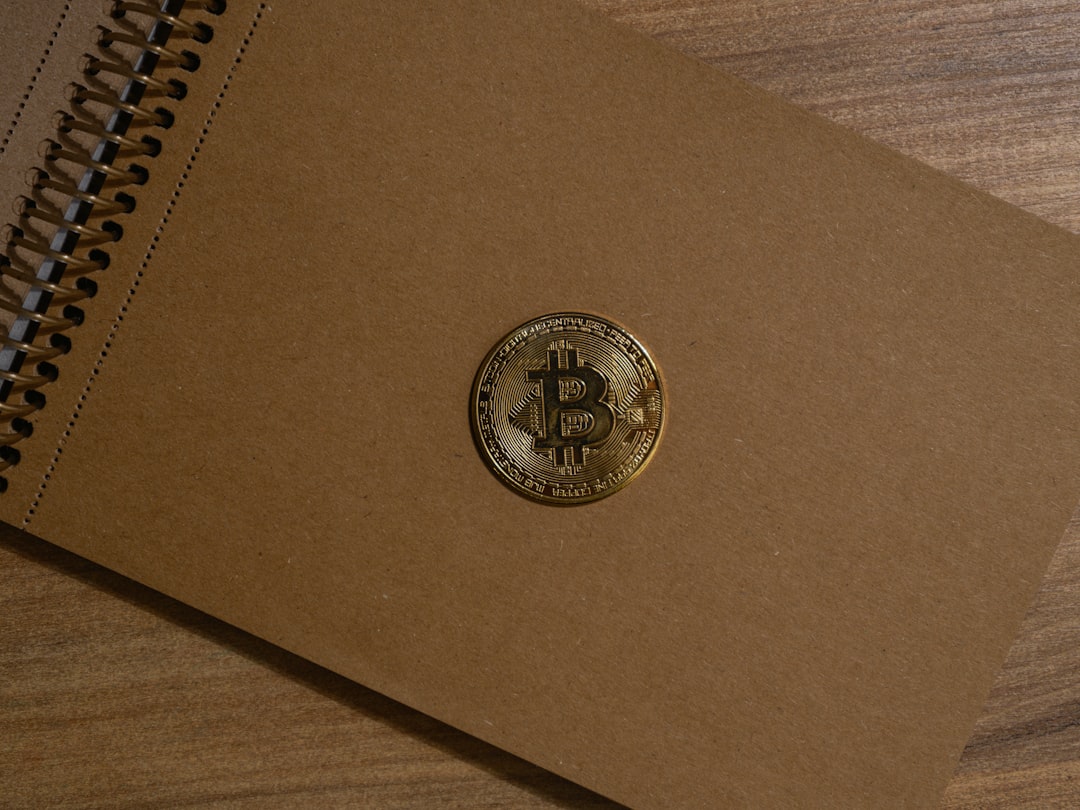
Bitcoin, the first and most well-known cryptocurrency, was introduced in 2009 by an anonymous entity known as Satoshi Nakamoto. It operates on a decentralized network that allows peer-to-peer transactions without the need for intermediaries like banks. Bitcoin’s underlying technology, blockchain, ensures that all transactions are recorded in a public ledger, providing transparency and security. The total supply of Bitcoin is capped at 21 million coins, which has led to its characterization as “digital gold.” This scarcity is a significant factor driving its value, especially as demand continues to grow.
The adoption of Bitcoin has seen exponential growth over the years, with increasing acceptance among retailers and institutional investors alike. Major companies such as Tesla and Square have added Bitcoin to their balance sheets, signaling a shift in how corporations view digital assets. Additionally, Bitcoin has gained traction as a store of value, particularly during periods of economic uncertainty. Its price volatility can be daunting for some investors; however, many view it as a long-term investment opportunity. The emergence of Bitcoin exchange-traded funds (ETFs) has further legitimized its status in the financial markets, allowing traditional investors to gain exposure without directly purchasing the cryptocurrency.
Ethereum

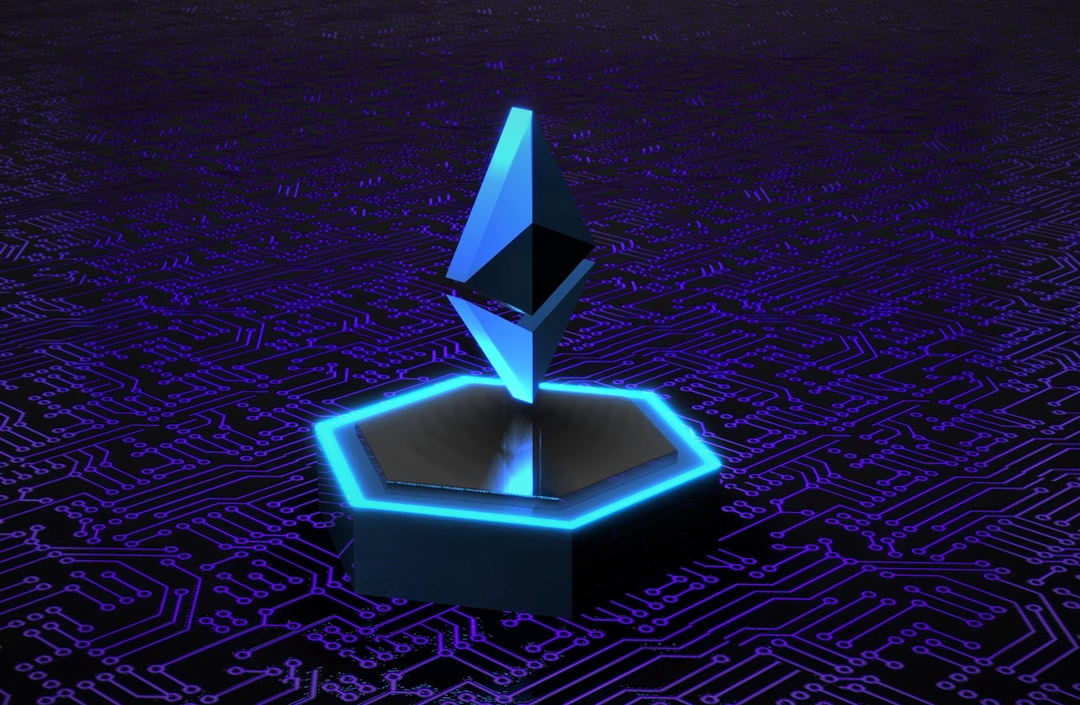
Ethereum, launched in 2015 by Vitalik Buterin and a team of developers, represents a significant evolution in the cryptocurrency space. Unlike Bitcoin, which primarily serves as a digital currency, Ethereum is a decentralized platform that enables developers to build and deploy smart contracts and decentralized applications (dApps). This functionality has positioned Ethereum as the backbone of the decentralized finance (DeFi) movement, which seeks to recreate traditional financial systems using blockchain technology.
The native cryptocurrency of the Ethereum network is Ether (ETH), which is used to facilitate transactions and power applications on the platform. Ethereum’s transition from a proof-of-work (PoW) consensus mechanism to proof-of-stake (PoS) with the Ethereum 2.0 upgrade aims to enhance scalability and reduce energy consumption. This shift is crucial as it addresses one of the primary criticisms of blockchain technology: its environmental impact. As DeFi continues to gain traction, Ethereum’s role as a foundational layer for innovative financial products and services solidifies its position as a key player in the digital asset ecosystem.
Ripple

Ripple is both a digital payment protocol and a cryptocurrency known as XRP. Launched in 2012, Ripple aims to facilitate fast and low-cost international money transfers between financial institutions. Unlike many cryptocurrencies that operate on decentralized networks, Ripple’s consensus algorithm relies on a network of trusted validators, which allows for quicker transaction times compared to traditional banking systems. This unique approach has garnered interest from banks and payment providers looking to streamline cross-border transactions.
Ripple’s partnerships with major financial institutions highlight its potential to revolutionize the remittance industry. For instance, Ripple has collaborated with companies like American Express and Santander to enhance their payment systems. However, Ripple has faced regulatory challenges, particularly from the U.S. Securities and Exchange Commission (SEC), which has raised questions about whether XRP should be classified as a security. The outcome of this legal battle could have significant implications for Ripple’s future and the broader regulatory landscape for cryptocurrencies.
In the ever-evolving landscape of investment strategies, many are turning their attention to the performance of digital assets hedge funds as a viable option for diversification. A recent article highlights the top-performing funds in this sector, providing insights into their strategies and returns. For those interested in exploring this topic further, you can read more about it in the detailed analysis found here. This resource offers valuable information for investors looking to navigate the complexities of digital asset investments.
Litecoin
| Hedge Fund Name | Assets Under Management (AUM) | Primary Digital Asset Focus | Annualized Return (Last 3 Years) | Strategy Type | Founded Year |
|---|---|---|---|---|---|
| Pantera Capital | 2.5 Billion | Cryptocurrencies, Blockchain Tokens | 18% | Venture & Hedge Fund Hybrid | 2013 |
| Galaxy Digital | 1.2 Billion | Cryptocurrencies, Digital Assets | 15% | Multi-Strategy | 2018 |
| Polychain Capital | 1.4 Billion | Cryptocurrencies, Protocol Tokens | 22% | Active Trading & Venture | 2016 |
| Alameda Research | 1.0 Billion | Cryptocurrency Arbitrage | 20% | Quantitative Trading | 2017 |
| Three Arrows Capital | 3.0 Billion | Cryptocurrencies, DeFi Tokens | 25% | Macro & Quantitative | 2012 |
Litecoin was created in 2011 by Charlie Lee as a “lighter” version of Bitcoin, designed to offer faster transaction times and lower fees. Utilizing a different hashing algorithm called Scrypt, Litecoin enables quicker block generation times—approximately 2.5 minutes compared to Bitcoin’s 10 minutes—making it more suitable for everyday transactions. This speed advantage has led to Litecoin being referred to as the “silver” to Bitcoin’s “gold,” appealing to users seeking an efficient alternative for smaller transactions.
Despite its similarities to Bitcoin, Litecoin has carved out its niche within the cryptocurrency market. It has been adopted by various merchants and payment processors due to its lower transaction costs and faster confirmation times. Additionally, Litecoin has implemented features such as the Lightning Network, which allows for instant payments between users while maintaining security through the underlying blockchain technology. As more businesses recognize the benefits of accepting cryptocurrencies like Litecoin, its utility as a medium of exchange continues to grow.
Chainlink
Explore investment opportunities with the Tokenized Crypto Fund for diversified digital asset exposure.
Chainlink is a decentralized oracle network that aims to bridge the gap between blockchain smart contracts and real-world data. Launched in 2017, Chainlink enables smart contracts on various blockchains to securely interact with external data sources, APIs, and payment systems. This capability is crucial for the functionality of many decentralized applications (dApps) that require real-time data inputs for execution.
The importance of Chainlink lies in its ability to provide reliable data feeds that enhance the functionality of smart contracts across different platforms. For example, in decentralized finance (DeFi), Chainlink oracles can supply price feeds for assets, ensuring that smart contracts execute accurately based on real-time market conditions. The growing adoption of Chainlink by various projects highlights its significance in the blockchain ecosystem. Partnerships with major companies such as Google Cloud and Oracle further validate Chainlink’s role as an essential infrastructure provider in the rapidly evolving world of decentralized applications.
Polkadot
Polkadot is an innovative multi-chain platform designed to enable different blockchains to interoperate seamlessly. Launched by Dr. Gavin Wood in 2020, Polkadot aims to create an interconnected ecosystem where various blockchains can share information and functionality while maintaining their unique characteristics. This interoperability addresses one of the significant challenges facing blockchain technology: fragmentation.
At the core of Polkadot’s architecture is its relay chain, which provides security and consensus for connected parachains—individual blockchains that can operate independently but still communicate with one another. This design allows developers to create specialized blockchains tailored to specific use cases while benefiting from the shared security model provided by Polkadot. The potential applications are vast; for instance, different parachains could focus on finance, gaming, or supply chain management while still being able to interact with each other seamlessly. As more projects adopt Polkadot’s framework, it could significantly enhance the scalability and usability of blockchain technology.
Cardano
Cardano is a third-generation blockchain platform that aims to address some of the limitations faced by earlier blockchains like Bitcoin and Ethereum. Founded by Charles Hoskinson in 2017, Cardano employs a research-driven approach to development, emphasizing peer-reviewed academic research and formal verification methods to ensure security and scalability. Its unique proof-of-stake consensus mechanism, called Ouroboros, allows users to participate in network validation while minimizing energy consumption compared to traditional proof-of-work systems.
Cardano’s layered architecture separates the settlement layer from the computation layer, enabling greater flexibility in smart contract execution and transaction processing. This design allows developers to build dApps with enhanced functionality while maintaining security and efficiency. The platform’s focus on sustainability and scalability positions it as a strong contender in the competitive blockchain space. As Cardano continues to roll out features such as smart contracts through its Alonzo upgrade, it aims to attract developers seeking a robust platform for building decentralized applications.
Tezos
Tezos is a self-amending blockchain platform that emphasizes governance and adaptability through on-chain upgrades. Launched in 2018 by Arthur and Kathleen Breitman, Tezos allows stakeholders to propose changes to the protocol through a formal voting process, enabling continuous evolution without requiring hard forks—a common issue faced by other blockchains when implementing significant changes.
The unique governance model of Tezos encourages community participation and fosters innovation within its ecosystem. Tezos utilizes a liquid proof-of-stake consensus mechanism that allows token holders to delegate their staking rights without losing ownership of their tokens. This feature enhances accessibility for users who may not have technical expertise while promoting decentralization within the network. Tezos has gained traction in various sectors, including art and gaming through non-fungible tokens (NFTs), showcasing its versatility as a platform for diverse applications.
Stellar
Stellar is a blockchain-based platform designed primarily for facilitating cross-border payments and remittances at low costs. Founded by Jed McCaleb in 2014, Stellar aims to connect financial institutions and individuals across borders while providing access to financial services for unbanked populations. The native cryptocurrency of Stellar is Lumens (XLM), which serves as an intermediary currency for transactions on the network.
Stellar’s unique consensus mechanism allows for fast transaction processing times—typically within seconds—making it an attractive option for remittance services that require quick settlements. Partnerships with organizations such as IBM have further solidified Stellar’s position in the financial sector; IBM’s World Wire project utilizes Stellar’s technology to enable real-time cross-border payments between banks. By focusing on inclusivity and accessibility, Stellar seeks to create a more equitable financial system that empowers individuals worldwide.
Conclusion and Future Outlook for Digital Assets in Hedge Funds
The landscape of digital assets continues to evolve rapidly, presenting both opportunities and challenges for hedge funds looking to diversify their portfolios and capitalize on emerging trends. As institutional interest grows, hedge funds are increasingly incorporating cryptocurrencies into their investment strategies—whether through direct purchases or exposure via derivatives and ETFs. The volatility inherent in digital assets can be both a risk and an opportunity; savvy investors can leverage price fluctuations for significant gains while managing risk through diversification.
Looking ahead, regulatory developments will play a crucial role in shaping the future of digital assets within hedge funds. As governments around the world grapple with how best to regulate cryptocurrencies, clarity will be essential for institutional investors seeking to navigate this complex landscape confidently. Furthermore, advancements in technology—such as improvements in blockchain scalability and interoperability—will likely enhance the utility of digital assets across various sectors.
In conclusion, digital assets are poised to become an integral part of modern investment strategies within hedge funds as they offer unique opportunities for growth and diversification amidst an ever-changing financial landscape. The ongoing evolution of cryptocurrencies like Bitcoin, Ethereum, Ripple, and others will continue to capture investor interest while driving innovation across industries.
FAQs
What are digital assets in the context of hedge funds?
Digital assets refer to cryptocurrencies, tokens, and other blockchain-based financial instruments that hedge funds invest in to diversify their portfolios and seek high returns.
How do hedge funds typically invest in digital assets?
Hedge funds invest in digital assets through direct purchases of cryptocurrencies, trading derivatives like futures and options, participating in initial coin offerings (ICOs), or investing in blockchain-related companies.
What are the risks associated with digital asset hedge funds?
Risks include high market volatility, regulatory uncertainty, cybersecurity threats, liquidity issues, and the potential for fraud or market manipulation within the digital asset space.
What advantages do digital asset hedge funds offer to investors?
They provide portfolio diversification, potential for high returns, access to emerging technologies, and opportunities to capitalize on the growing adoption of blockchain and cryptocurrencies.
How can investors evaluate the performance of digital asset hedge funds?
Investors should review the fund’s historical returns, risk management strategies, transparency, regulatory compliance, management team expertise, and fee structures before investing.