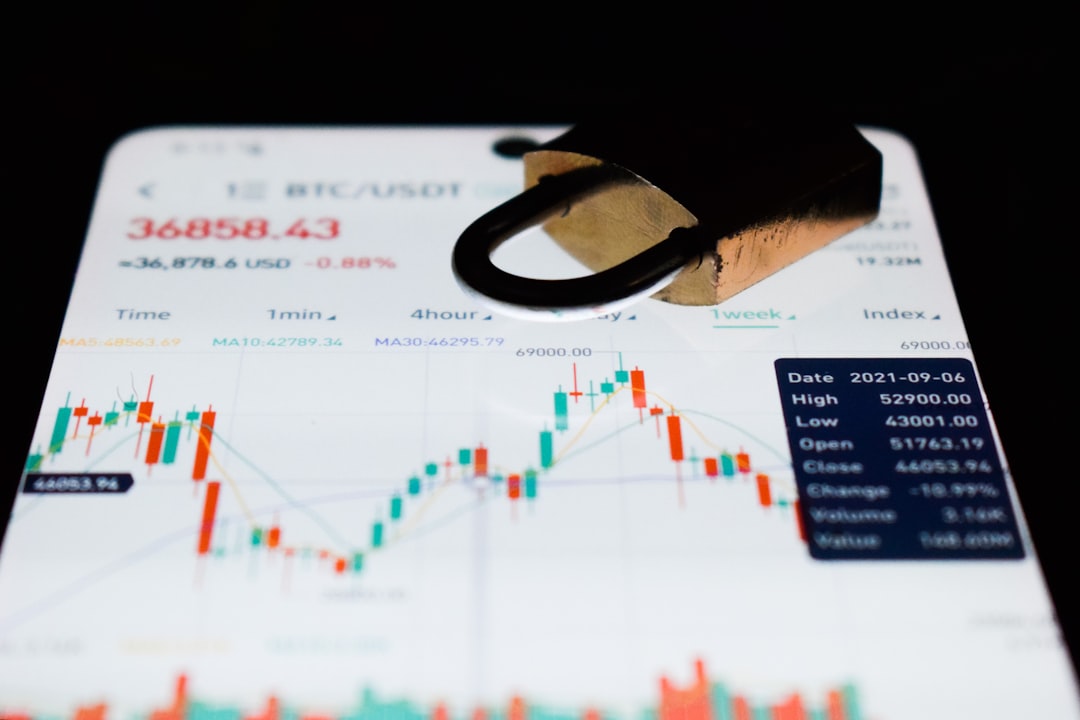
Macro fund managers are investment professionals who specialize in making decisions based on the analysis of global economic trends, geopolitical events, and market dynamics. They operate within the realm of hedge funds, focusing on macroeconomic factors that influence asset prices across various markets, including equities, fixed income, currencies, and commodities. Unlike traditional fund managers who may concentrate on specific sectors or companies, macro fund managers adopt a broader perspective, seeking to capitalize on large-scale economic shifts and trends. This approach requires a deep understanding of how different markets interconnect and how external factors can impact investment outcomes.
The allure of macro fund management lies in its potential for high returns, particularly during periods of volatility. These managers often thrive in uncertain environments where traditional investment strategies may falter. By leveraging their insights into global economic indicators and political developments, macro fund managers can position their portfolios to benefit from anticipated market movements. This unique blend of analysis and strategy makes them pivotal players in the financial landscape, influencing not only their own investment outcomes but also the broader market dynamics.
For those interested in exploring the strategies and insights of top macro fund managers, a related article can provide valuable information on the importance of financial advisory services for startups. Understanding how these managers navigate complex market conditions can be crucial for emerging businesses. To learn more about this topic, you can read the article here: Why Financial Advisory Matters for Startups.
The Role of Macro Fund Managers in Navigating Global Markets
Macro fund managers play a crucial role in navigating the complexities of global markets. Their ability to analyze and interpret macroeconomic data allows them to identify trends that may not be immediately apparent to other investors. For instance, a macro fund manager might observe rising inflation rates in a major economy and predict that central banks will respond by tightening monetary policy. This insight could lead them to short bonds or invest in commodities that typically perform well during inflationary periods. By anticipating these shifts, macro fund managers can position their portfolios to take advantage of market movements before they occur.
Moreover, macro fund managers often act as market stabilizers during times of crisis. Their strategies can provide liquidity and help absorb shocks in the financial system. For example, during the 2008 financial crisis, many macro fund managers successfully navigated the turmoil by shorting overvalued assets and investing in safe havens like gold and U.S. Treasuries. Their actions not only protected their investors’ capital but also contributed to the overall functioning of the markets by providing counterbalancing forces against panic selling.
Key Strategies Used by Top Macro Fund Managers

Top macro fund managers employ a variety of strategies to capitalize on their insights into global economic trends. One common approach is the use of directional bets, where managers take long or short positions based on their predictions about future market movements. For instance, if a manager believes that a particular currency will strengthen due to favorable economic data, they may take a long position in that currency while simultaneously shorting another currency expected to weaken. This strategy allows them to profit from relative movements between different assets.
Another prevalent strategy is the use of global macroeconomic models that incorporate various indicators such as GDP growth rates, employment figures, and inflation data. These models help managers identify potential investment opportunities across different asset classes. For example, if a model indicates that a country is likely to experience robust economic growth, a macro fund manager might invest in equities or commodities associated with that economy while hedging against potential risks through options or futures contracts. This multifaceted approach enables them to diversify their portfolios while still maintaining a focus on macroeconomic trends.
How Top Macro Fund Managers Analyze Global Economic Trends
The analysis of global economic trends is at the heart of macro fund management. Top managers utilize a combination of quantitative and qualitative methods to assess economic indicators and their potential impact on markets. Quantitative analysis involves examining historical data and statistical models to identify patterns and correlations between different economic variables. For instance, a manager might analyze historical relationships between interest rates and stock market performance to forecast future trends.
Qualitative analysis complements this quantitative approach by incorporating insights from geopolitical developments, central bank communications, and market sentiment. Macro fund managers often stay informed about political events that could influence economic conditions, such as elections, trade negotiations, or regulatory changes. By synthesizing both quantitative data and qualitative insights, they can develop a comprehensive understanding of the factors driving market movements and make informed investment decisions.
For those interested in exploring the strategies and performance of top investment professionals, a related article on the best macro fund managers can provide valuable insights. By examining their approaches and market predictions, investors can gain a deeper understanding of macroeconomic trends. You can read more about this topic in the article found here.
The Importance of Geopolitical Analysis for Macro Fund Managers
| Manager Name | Fund Name | Assets Under Management (Billion) | Annualized Return (5 Years %) | Sharpe Ratio | Strategy Focus | Founded Year |
|---|---|---|---|---|---|---|
| Ray Dalio | Bridgewater Pure Alpha | 20 | 9.5 | 1.2 | Global Macro | 1975 |
| Paul Tudor Jones | Tudor BVI | 12 | 11.3 | 1.4 | Discretionary Macro | 1980 |
| Stanley Druckenmiller | Duquesne Capital | 8 | 12.1 | 1.5 | Global Macro | 1981 |
| Louis Bacon | Moore Capital | 10 | 10.2 | 1.3 | Macro Trading | 1989 |
| Alan Howard | Brevan Howard | 15 | 8.7 | 1.1 | Global Macro | 2002 |
Geopolitical analysis is an essential component of macro fund management, as political events can have profound implications for global markets. Macro fund managers must remain vigilant about developments such as international conflicts, trade disputes, and diplomatic relations between countries. For example, tensions between major economies can lead to volatility in currency markets or impact commodity prices due to supply chain disruptions.
A notable instance of geopolitical analysis influencing investment decisions occurred during the U.S.-China trade war. Macro fund managers closely monitored tariffs and trade policies, adjusting their portfolios accordingly. Some managers capitalized on the volatility by shorting stocks in sectors heavily reliant on Chinese manufacturing while investing in companies that could benefit from supply chain diversification. This proactive approach underscores the importance of geopolitical awareness in shaping investment strategies.
Risk Management Techniques Utilized by Top Macro Fund Managers
Discover diverse opportunities with Savanti Tokenized Investment Funds designed to optimize your portfolio.
Effective risk management is paramount for macro fund managers, given the inherent volatility of global markets. These professionals employ various techniques to mitigate risks associated with their investment strategies. One common method is diversification across asset classes and geographic regions. By spreading investments across different markets, macro fund managers can reduce the impact of adverse movements in any single asset or region.
Additionally, many top macro fund managers utilize derivatives such as options and futures contracts to hedge against potential losses. For instance, if a manager holds a long position in a particular currency but anticipates potential downside risk due to geopolitical tensions, they may purchase put options to protect their investment. This strategy allows them to limit losses while still maintaining exposure to potential upside gains.
Another critical aspect of risk management involves setting strict stop-loss orders to limit potential losses on individual trades. By establishing predetermined exit points based on market conditions or technical indicators, macro fund managers can protect their capital from significant downturns while allowing for upside potential.
The Impact of Central Bank Policies on Macro Fund Managers’ Decision Making
Central bank policies play a pivotal role in shaping the investment landscape for macro fund managers. Decisions regarding interest rates, quantitative easing, and monetary policy can significantly influence asset prices across various markets. For example, when central banks lower interest rates to stimulate economic growth, it often leads to increased borrowing and spending, which can boost equity markets.
Macro fund managers closely monitor central bank communications and economic indicators to gauge future policy directions. A shift in tone from a central bank official regarding inflation concerns could prompt immediate adjustments in investment strategies. For instance, if a central bank signals an intention to raise interest rates due to rising inflation expectations, macro fund managers may reposition their portfolios by reducing exposure to interest-sensitive assets like bonds while increasing allocations to sectors expected to benefit from higher rates.
Moreover, central bank actions can create ripple effects across global markets. A decision by the U.S. Federal Reserve to tighten monetary policy can lead to capital outflows from emerging markets as investors seek higher returns in developed economies. Macro fund managers must be adept at anticipating these shifts and adjusting their strategies accordingly to navigate the complexities introduced by central bank policies.
Case Studies of Successful Macro Fund Managers’ Trades
Examining case studies of successful macro fund managers provides valuable insights into their decision-making processes and strategies. One prominent example is George Soros’s famous trade against the British pound in 1992. Soros identified weaknesses in the UK’s economic fundamentals and believed that the pound was overvalued within the European Exchange Rate Mechanism (ERM). He took a massive short position against the pound, ultimately profiting over $1 billion when the currency was forced out of the ERM.
Another notable case is Ray Dalio’s Bridgewater Associates, which has consistently delivered strong returns through its macroeconomic strategies. Dalio’s “All Weather” portfolio exemplifies a diversified approach that seeks to perform well across various economic environments by balancing risk across asset classes such as stocks, bonds, commodities, and inflation-linked securities. This strategy has allowed Bridgewater to weather market downturns while capitalizing on opportunities during periods of growth.
These case studies highlight not only the importance of thorough analysis but also the ability to act decisively based on insights into macroeconomic trends and market dynamics.
The Future of Macro Fund Management in a Changing Global Landscape
As global markets continue to evolve due to technological advancements, demographic shifts, and changing geopolitical dynamics, the future of macro fund management will likely be shaped by several key trends. One significant development is the increasing importance of data analytics and artificial intelligence in investment decision-making processes. Macro fund managers are beginning to leverage advanced algorithms and machine learning techniques to analyze vast amounts of data more efficiently than ever before.
Additionally, climate change and sustainability concerns are becoming integral considerations for macro fund managers as investors increasingly prioritize environmental, social, and governance (ESG) factors in their portfolios. Understanding how climate-related risks can impact economies and industries will be crucial for navigating future investment landscapes.
Furthermore, as emerging markets continue to gain prominence on the global stage, macro fund managers will need to adapt their strategies to account for new opportunities and risks associated with these regions. The rise of digital currencies and fintech innovations may also present both challenges and opportunities for macro fund management as traditional financial systems undergo transformation.
Tips for Aspiring Macro Fund Managers
For those aspiring to become successful macro fund managers, several key tips can enhance their chances of success in this competitive field. First and foremost, developing a strong foundation in economics is essential; understanding macroeconomic principles will enable aspiring managers to analyze trends effectively and make informed investment decisions.
Networking within the finance industry is also crucial for gaining insights and building relationships with experienced professionals who can provide mentorship or guidance. Attending industry conferences and engaging with thought leaders can help aspiring managers stay informed about emerging trends and best practices.
Additionally, honing analytical skills through practical experience—whether through internships or personal trading—can provide valuable insights into market behavior and decision-making processes. Finally, cultivating a disciplined approach to risk management will be vital for navigating the inherent uncertainties associated with macro investing.
The Value of Top Macro Fund Managers in Global Markets
Top macro fund managers play an indispensable role in global financial markets by leveraging their expertise in analyzing economic trends and geopolitical developments. Their ability to navigate complex market dynamics allows them not only to generate substantial returns for their investors but also to contribute positively to market stability during turbulent times. As they adapt to an ever-changing landscape characterized by technological advancements and shifting geopolitical realities, these professionals will continue to be at the forefront of investment innovation and strategy development in the years ahead.
FAQs
What is a macro fund manager?
A macro fund manager is an investment professional who manages a macro hedge fund, focusing on large-scale economic and political trends to make investment decisions across various asset classes such as equities, bonds, currencies, and commodities.
What criteria are used to determine the best macro fund managers?
The best macro fund managers are typically evaluated based on their historical performance, risk management skills, consistency in returns, ability to navigate different market conditions, and their expertise in global economic trends.
How do macro fund managers generate returns?
Macro fund managers generate returns by making strategic bets on macroeconomic events, such as interest rate changes, currency fluctuations, geopolitical developments, and economic cycles, using a variety of financial instruments including derivatives, futures, and options.
Are macro funds suitable for all investors?
Macro funds are generally considered suitable for sophisticated investors or institutions due to their complex strategies and higher risk profiles. They may not be appropriate for all retail investors because of their volatility and the potential for significant losses.
Where can I find information about the top-performing macro fund managers?
Information about top-performing macro fund managers can be found through financial news outlets, hedge fund databases, industry reports, and investment research firms that track hedge fund performance and provide rankings based on various performance metrics.